Politics & Government · The Record
GAO says DOGE reported $1.7 billion in savings on a contract that was never terminated
The audit of the Wall of Receipts found some of the $110 billion in reported savings incorrect or unsupported, said DOGE did not use its own published formula for contracts reported as terminated, and recorded that DOGE did not answer the auditors' questions.
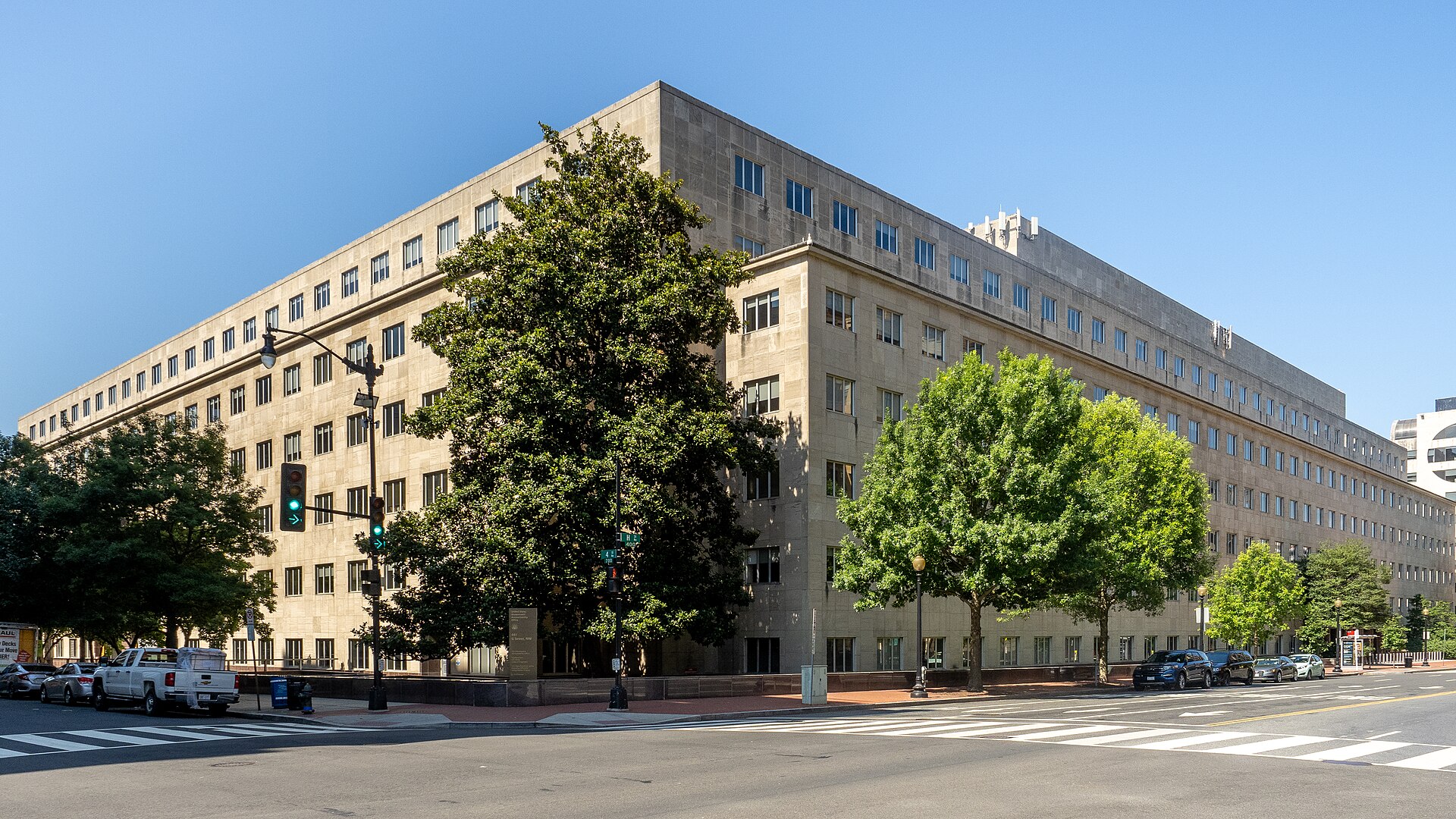
The Government Accountability Office reviewed the savings published on the United States DOGE Service's Wall of Receipts and reported that some of the estimates are incorrect or lack supporting evidence, that DOGE did not use its own stated method to calculate most of the savings on contracts it reported as terminated, and that for grants it could not verify the method behind 96 percent of the reported savings. The findings are in GAO-26-108615.
The claim. According to GAO's report, the Wall of Receipts reported $110 billion in savings across contracts, grants and leases. The page also published its arithmetic. GAO set it out this way: "The Wall of Receipts states that savings were determined by calculating the difference between the contract's total value, which is defined as the potential expenditure including options, and the amount currently obligated on the contract." The report also records how the page described its own purpose: DOGE aimed to present information "in a digestible and transparent manner consistent with applicable rules and regulations." DOGE was established within the Executive Office of the President by Executive Order 14158, according to the report.
The record. GAO stated: "DOGE did not use its stated methodology to calculate the majority of savings associated with the contracts reported as terminated." On grants, the finding as carried by CBS News reads: "For grants, DOGE did not provide sufficient information to verify the method used to calculate 96 percent of DOGE-reported savings." GAO also found that the Wall of Receipts does not sufficiently disclose limitations affecting data quality.
The $1.7 billion. GAO reported that DOGE claimed $1.7 billion in savings on a Department of Defense contract, held by the Defense Health Agency, for IT services at more than 700 military treatment facilities worldwide. DOGE had initially identified that contract for termination, GAO wrote, but "no action was taken to terminate the contract, or to reduce scope, value, or funding. Thus, no savings were achieved."
The leases. GAO found that 108 of the 264 leases that the Wall of Receipts identified for termination - about $15.3 million of the $53.5 million in reported lease savings - were already in process for termination when DOGE was established. By Daily Pol's arithmetic on GAO's own figures, that is about 41 percent of the leases identified for termination and about 29 percent of the reported lease savings.
The recommendation, and who it runs through. GAO made one recommendation: the Executive Office of the President, through the United States DOGE Service, should ensure that known data quality issues and limitations are prominently displayed on the Wall of Receipts. FedScoop carried the line that prominently displaying data limitations would enhance the value of the Wall of Receipts by giving users what they need to interpret the data appropriately. The entity the recommendation runs through is the entity that did not respond: GAO recorded that DOGE did not respond to its requests for information or interviews, and that the United States DOGE Service and the U.S. Agency for International Development did not provide comments on the report.
What others reported. An Associated Press account published by Fortune on Aug. 7, 2026 said the Wall of Receipts had reported $110 billion in savings as of July 7 - July 7, 2026, on that dating. That account also carried the observation that "when government data are not reliable, it can hinder the public's trust in government," and a quoted criticism that names Elon Musk and the Trump Administration and says they "claimed billions of dollars in savings it could not substantiate, took credit for work already underway, and refused to show its work." CBS News carried a second quoted criticism, that "DOGE was a slapdash and deceptive effort that misled the American people." The excerpts Daily Pol holds do not identify who spoke either passage; both are reproduced here as characterizations carried by those outlets, and Daily Pol does not adopt them. GAO's own language stops at estimates that are incorrect or lack supporting evidence and at methods it could not verify. Nothing in the documents cited here alleges a crime.
Analysis. What follows is analysis, grounded only in the documents cited above. The sharpest point in GAO-26-108615 is not that an outside auditor disputed someone else's arithmetic. It is that the page did not meet the test it set for itself. The Wall of Receipts published a formula - potential value including options, minus the amount obligated - and GAO found that the published formula was not used for most of the savings on the contracts reported as terminated. Alongside that, the method behind 96 percent of the grant savings could not be verified, and among the leases identified for termination, a substantial share was already being phased out before the entity claiming credit existed. A page that described its own presentation as transparent is now the subject of a recommendation that it disclose more about its limits, and that recommendation runs through the entity that did not answer the auditor's questions.
What to watch. A falsifiable prediction, offered as analysis: GAO's product page for GAO-26-108615 will not show this recommendation as implemented on or before Feb. 6, 2027, six months after the report's number was issued. If the page shows it implemented by that date, the prediction is wrong.
Right of reply. Daily Pol has identified the Executive Office of the President and the United States DOGE Service - the parties named in GAO's recommendation - as the subjects owed an opportunity to respond. Those comment requests have not yet been sent and documented by a human editor, and this piece does not publish until they are. Separately, and distinct from Daily Pol's own outreach, GAO recorded in its report that DOGE did not respond to its requests for information or interviews and that the United States DOGE Service did not provide comments on the report.
Documents. GAO-26-108615, U.S. Government Accountability Office: https://www.gao.gov/products/gao-26-108615 and https://files.gao.gov/reports/GAO-26-108615/index.html