Science & Technology · The Record
Two reports credited to Argus Research cite rapid payback and a multiple that could take years to settle
One report headlined as an Argus upgrade credits rapid payback on SpaceX's AI capital spending; another, headlined as an Argus warning, says the multiple could take years to settle. The two pull against each other, and neither retrieved excerpt names Argus in its body text.
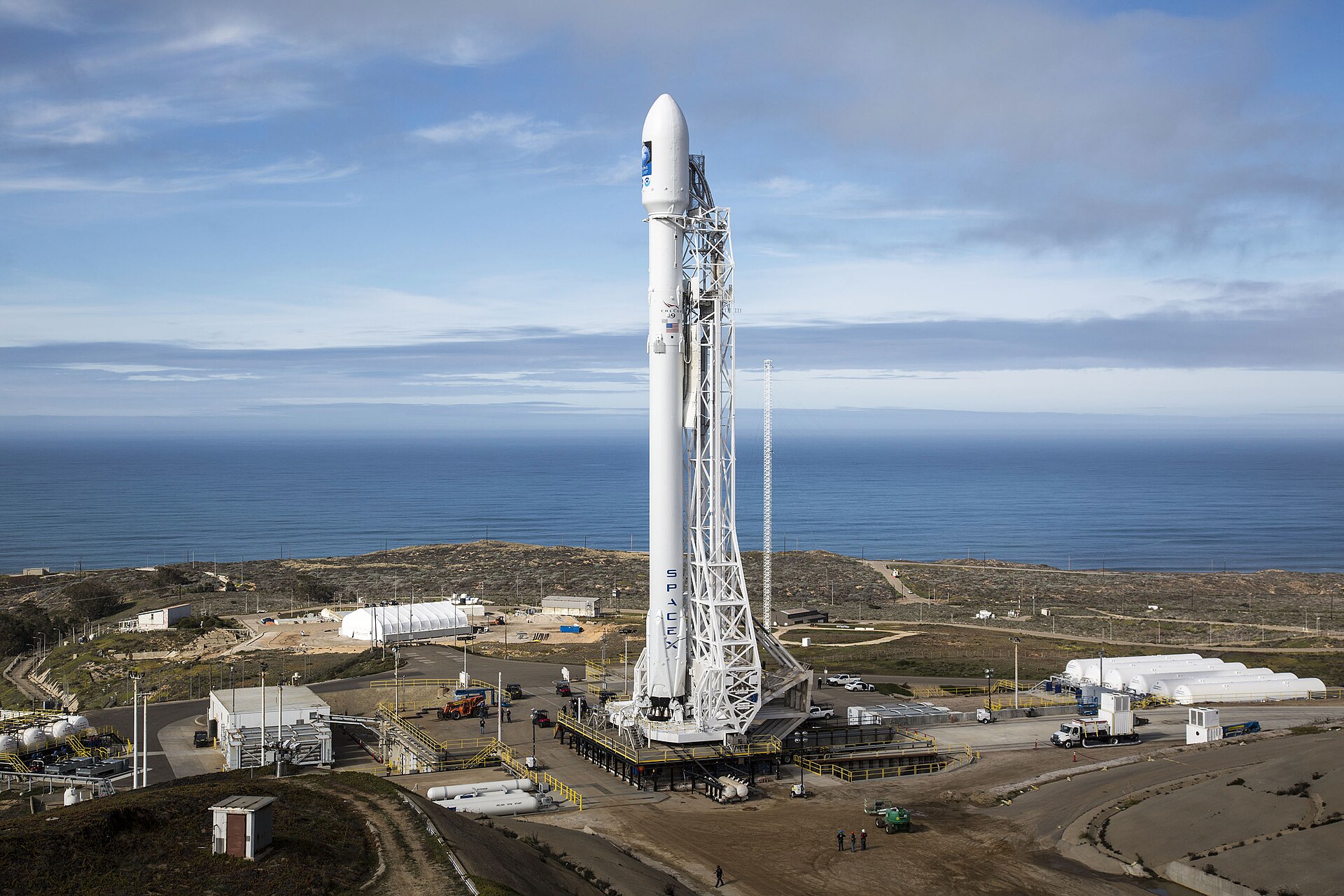
Two research summaries about SpaceX, each credited to Argus Research in its headline, describe the company's capital spending in different registers.
One, published by Investing.com and headlined as an Argus upgrade of the stock rating, credits "the rapid payback on higher-than-expected capital expenditures, mostly for AI infrastructure, given the robust growth in computing capacity". It adds that "SpaceX's strong operational performance in the second quarter of 2026 and robust growth outlook over the coming years mitigate volatility factors."
The second, published by Yahoo Finance and headlined as an Argus warning, states that "it could take years for SpaceX's valuation multiple to settle into a more normal range", and that "A high multiple suggests investors are paying a steep premium today for growth that has not yet fully shown up in profits".
Two limits belong up front. Neither excerpt Daily Pol retrieved names Argus Research in its body text; the attribution rests on the headline and URL recorded for each report. And neither retrieved excerpt carries a date, so this piece does not assert which position was published first.
The record the reports are reading
SpaceX Investor Relations announced that the company "will post financial and operational results for the second quarter of 2026 after market close on Tuesday, August 4, 2026", with "a live audio-only webcast to discuss the results at 3:30 p.m. CT / 4:30 p.m. ET the same day".
StockTitan's rendering of the company's Form 8-K quotes the company saying that "Revenue growth accelerated across all our business segments and we delivered strong operating leverage, with significant margin expansion led by our new AI compute agreements". Value The Markets carries the identical sentence. The same rendering states that the company "ended the second quarter with $100 billion of cash, cash equivalents, and marketable securities, and $47.5 billion in backlog".
The excerpt Daily Pol retrieved from that rendering carries those two lines and no revenue, capital-expenditure or cash-flow figure. Daily Pol did not retrieve the SEC document itself.
The mechanism claim underneath
CNBC Africa, syndicating CNBC, carries a first-person claim about mechanism that is unattributed in the excerpt Daily Pol retrieved: "On the AI compute side, we're able to deploy capital in such a way that we're getting less than a one-year payback." The excerpt does not name the speaker, give a title or place the remark at a particular event. The same excerpt contains the fragment "Over a six-month period that begins ramping starting in October,".
NextGComm's analysis compresses the same idea into the phrase "sub-one-year payback" and describes the spending as "almost like a COGS item".
Analysis: what payback measures, and what a filing measures
What follows is analysis, grounded in the excerpts cited above.
Payback, as the phrase is used here, is a per-deployment measure. It asks how long one tranche of computing capacity takes to earn back what that tranche cost. A consolidated financial statement asks a different question: it nets everything together, so capital going out for capacity that has not begun earning sits in the same column as returns from capacity already earning. During a build-out, a short payback on each tranche and a heavy consolidated outflow can be true at the same time. Neither figure verifies the other, and a reader who treats one as evidence for the other has been given nothing.
The figures that would settle the payback claim are cohort-level: spend on a specific tranche, revenue attributable to that tranche, and the date it began earning. No source excerpt Daily Pol retrieved carries them.
The same distinction defuses the apparent tension between the two Argus-credited statements. A fast payback on hardware and a slow settling of a valuation multiple are claims about different objects - one about equipment economics, one about what buyers will pay for a share of the whole. They pull against each other in tone. They do not have to contradict each other in logic, and the retrieved excerpts do not show that they do.
One caution on the balance-sheet line: the cash figure and the backlog figure appear in a single sentence but are not the same kind of quantity, and the retrieved excerpt defines neither. They should not be added together.
A checkable prediction
Daily Pol predicts that SpaceX will post third-quarter 2026 results on or before November 30, 2026, following the second-quarter cadence its investor relations page announced, and that those results will not include a per-deployment payback figure for AI compute capital - the number the sub-one-year claim rests on. If a third-quarter release publishes tranche-level spend alongside revenue attributable to that tranche, or if no third-quarter release appears by that date, this prediction is wrong.
Sourcing note
Daily Pol did not retrieve the underlying research note; both Argus-credited statements reach this piece through reports about it, and the attribution to Argus Research rests on the headline and URL recorded for each. The company figures quoted here come from StockTitan's rendering of the Form 8-K and from SpaceX's own investor relations announcement, not from the SEC's copy of the document. The payback statement is unattributed in the excerpt available to us and is reported here as such.
This piece measures published statements against a published record. It alleges no wrongdoing by any company or person, and nothing in it is a recommendation about the security.