Human Interest · The Record
Two lawful routes exist for an Arizona charity casino night, Charity Lawyer Blog states
A.R.S. 13-3302 permits a tax-exempt organization to conduct a raffle after a year in the state, in the text captured for this piece; a chamber foundation's page markets casino games and, in the copy captured for this piece, says nothing about prizes.
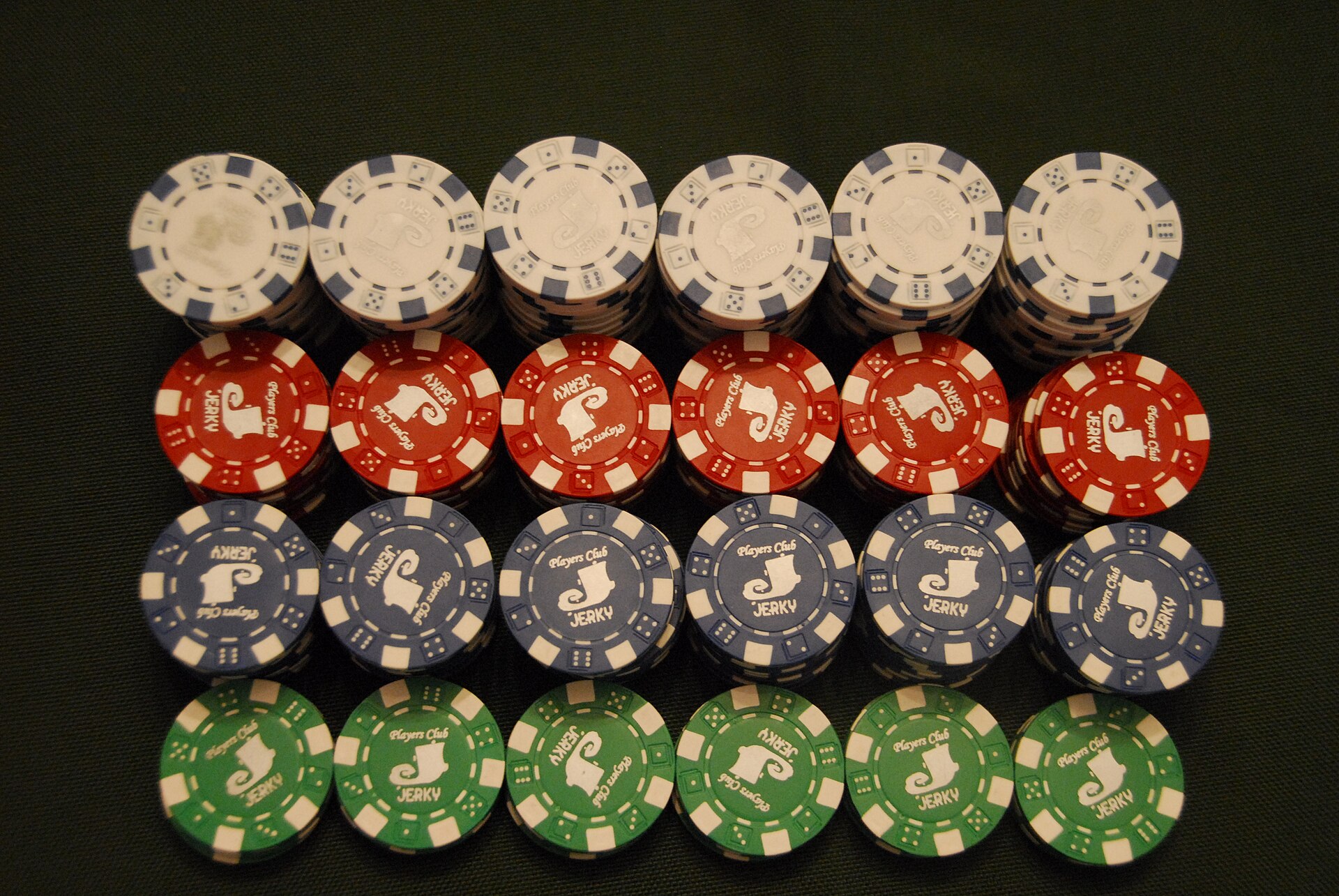
A charity casino night sells the feeling before it sells the ticket. Chips that cost nothing to lose, a room dressed like a room where money changes hands, and the quiet arithmetic that says a bad hand is still a good deed. The Fountain Hills Chamber of Commerce writes that arithmetic down in one line on its own event page: "Every chip you play helps fuel progress".
The page is headed CASINO NIGHT AT THE FOUNDATION 2026, and its title line marks the evening for October. It promises guests a "lively atmosphere filled with casino games, gourmet hors d'oeuvres, and handcrafted signature cocktails". Its copy sets out artist grants, student internships, membership scholarships and programs for local businesses, alongside a line describing the Chamber Foundation's initiatives as vital, and it tells a reader the night is more than a party. That is the claim half of this story - an invitation, in the organizer's own words, asking people to play for a cause.
In the copy captured for this piece the page names no individual. There is no byline, and the sentences are attached to no officer, director or employee, so they belong to the page rather than to a person, and this article attributes them that way.
The record half is a criminal statute. Arizona's gambling offenses arrive with a list of what they do not reach: A.R.S. 13-3302 excludes amusement gambling, social gambling, regulated gambling conducted in line with the statutes, rules or orders that govern it, and gambling at state, county or district fairs. Casino table games are not named on that list. What the section does hand a nonprofit is narrower and singular. "An organization that has qualified for an exemption from taxation of income under section 501 of the internal revenue code may conduct a raffle", the statute reads. A raffle - the noun is the whole permission.
The permission carries conditions. The organization must keep its exempt status, and no member, director, officer, employee or agent may take a direct or indirect pecuniary benefit beyond playing on the same footing as everyone else. "The nonprofit organization has been in existence continuously in this state for a one-year period immediately before conducting the raffle." Management, sales and operation are reserved to bona fide local members of the sponsoring organization. An outside agent's fee is capped at fifteen percent of the raffle's net proceeds.
What the record does not settle matters as much as what it does. The statute text captured for this piece is a line extraction rather than a full section, so conditions outside the captured lines can be neither ruled in nor out here. Nothing in that capture, or in any other captured for this piece, describes how any particular event hands out chips, whether play buys prizes, or whether anything is paid out at all.
The definitions section, A.R.S. 13-3301, does the quieter work. Gambling begins, in its framing, where a person gives up something of value for a shot at a benefit in a game of chance or skill. Social gambling it defines as "gambling that is not conducted as a business and that involves players who compete on equal terms", and then it stacks conditions: nobody under twenty-one at the table, no player walking away with anything beyond winnings, and one more that is easy to skim past.
Read as analysis of those two captured sections together, that last condition is where a fundraiser gets awkward. The social-gambling exclusion requires that no person other than the players take any benefit from the activity. A fundraiser is built to send a benefit somewhere - to the artists, the interns, the scholarship fund named on the page. The very thing the invitation promises is the thing the definition's condition rules out, which is why the raffle permission, not the social-gambling exclusion, is the door the statute leaves open to a nonprofit.
Charity Lawyer Blog, a law-firm post published in 2022, states the practical rule that follows: "the only way for nonprofits to legally conduct an event like Casino Night is for it to either (a) be run like a raffle or (b) to not charge anyone to participate". The post explains the second route as taking the value out of the equation, which stops the activity being gambling at all, and it notes the stake for getting it wrong, writing that "conducting an illegal raffle is a class 5 felony". That is commentary, not the statute, and this piece treats it as commentary - a reading of the sections above by a firm that writes for nonprofits.
At least one organizer says so on the invitation. A ticketing page for a casino night run by The Compassion in Action Project, Inc., in Buford, Georgia, sells sponsorship tiers with signage at its game tables and then puts the compliance sentence in plain sight: "No actual cash prizes will be awarded." Georgia is not Arizona and the two events are unrelated; what the page demonstrates is that a fundraiser can say what its chips do and do not buy, in a line, on the same page that sells the ticket.
That is the comparison this piece can honestly make, and it is a comparison of documents rather than of conduct. One organizer's page carries a sentence about prizes. In the copy captured for this piece, the Fountain Hills page carries no equivalent sentence - not that prizes are awarded, not that they are withheld, not that chips redeem for raffle entries. A structure that satisfies the statute is entirely available. The capture simply does not show one either way.
Daily Pol's right-of-reply record lists the Fountain Hills Chamber of Commerce as a subject to be contacted by an editor before publication. That contact is not documented in this record, and no response is recorded here.
A reader holding an invitation to a charity casino night has a two-question test drawn straight from these documents, and it costs nothing to ask: is play structured as a raffle, and if not, does anyone pay to play? This desk will put the same question to the record on or before Nov. 15, 2026, by capturing the Fountain Hills page again and recording whether the copy then carries a sentence about prizes or raffle entries, as the Georgia page does, or reads as it does today. The statute sections are at A.R.S. 13-3301 and 13-3302 for anyone who wants to check the reading against the text. The evening the page advertises is in October.