Lifestyle & Consumer · The Record
Biltmore's own pages and the Park Service give 125,000, 100,000 and 120,000 acres for the same property
Two Biltmore posts and one National Park Service page publish three different acreages for the estate. The estate and the Forest Service also differ on what the government paid per acre, and on when the land was bought.
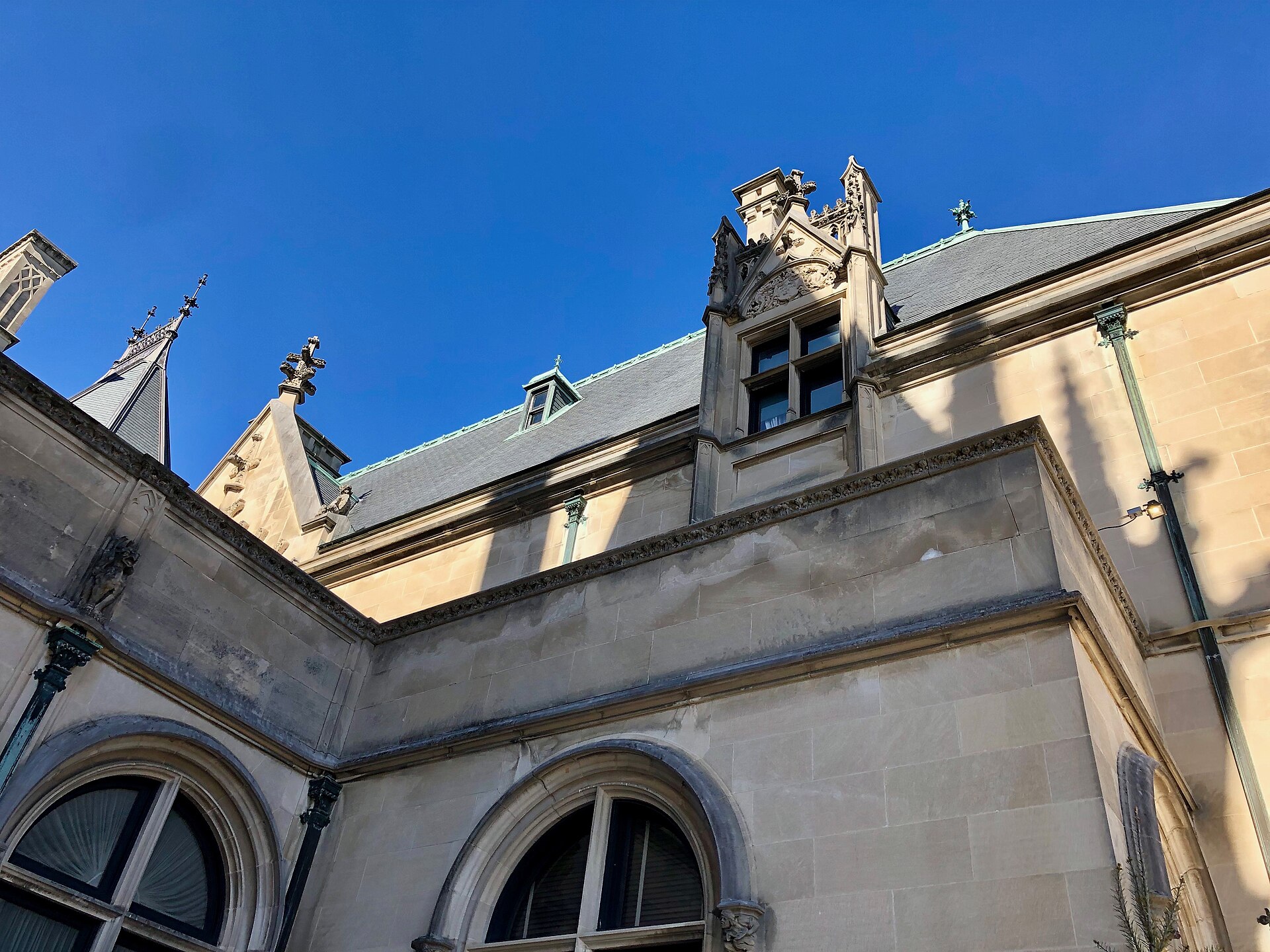
Ask how much land the Biltmore Estate covers, or ever covered, and the published record answers three ways.
A post on Biltmore's own site, presented as fast facts about the property, states that the estate is 8,000 acres today and "was around 125,000 acres during Vanderbilt's lifetime." A second Biltmore post, this one about the land the estate was assembled from, states that "By 1895, he had acquired many parcels totaling around 100,000 acres, which caused quite a buzz in the local community." The National Park Service, on its page for the estate, refers to "120,000 acres of North Carolina property he'd just purchased."
Three published pages, three acreages, one property in Buncombe County. In the passages captured for this piece, none of the three corrects another, and none mentions that another exists.
The scopes differ as much as the digits do. Biltmore's fast-facts post measures across a lifetime. Biltmore's land-ownership post measures a running total as of a year, 1895. The Park Service attaches its figure to land the page describes as just purchased. A reader who wants a single number for the estate at its largest cannot get one by lining these up, because they are not three measurements of the same thing - and no captured passage tells the reader that.
What the estate says it sold, and what a federal page says was paid
The sharper conflict is about money, and it is a single dollar sign wide.
Biltmore's estate timeline, a visitor-facing history page on biltmore.com, sets the sale inside a story of family giving: George Vanderbilt is buried on Staten Island, and the page states that he leaves a legacy of philanthropy which Edith continues, selling approximately 87,000 acres to the United States Forest Service for less than $5 an acre. That framing does work. Land sold below a round number, by a widow continuing her husband's public spirit, reads as a gift with a receipt attached.
A federal account of a Vanderbilt land sale does not carry the qualifier - though the two pages bound the land differently and name the buyer differently, so they may not be describing an identically bounded sale. The USDA Forest Service Southern Research Station, on its page for the Bent Creek Experimental Forest, states flatly that the basin and much of Vanderbilt's other lands went to the U.S. Government for $5 per acre. How far below $5 "less than" is meant to reach, neither captured passage says.
The estate's separate post on its landmark designation states that nearly 87,000 acres of the estate's forest land is now in Pisgah National Forest, which is consistent with the timeline's acreage and says nothing about price.
The dates do not line up either
Biltmore's land-ownership post opens the assembly in May 1888, when, it states, George W. Vanderbilt began purchasing land in the Asheville area through agents - dating it, pointedly, 23 years after emancipation. The fast-facts post has him visiting Asheville in 1888 with his mother and starting construction in 1889, with the house first opened to friends and family on Christmas Eve, 1895.
The Forest Service research station puts the acquisition somewhere else entirely: "Between 1900 and 1909," it states, Vanderbilt acquired the basin and the adjacent lands that would become the estate. Both accounts cannot be describing the same assembly. One of them is describing a later phase, or a different tract, or is wrong - and nothing in either captured passage tells a reader which.
The estate's own numbers on what the land cost going in are the most specific figures in the whole set. Prices for most of the Shiloh tracts "averaged around $37 per acre," the land-ownership post states, above fair market value at the time, with individual prices running from a few cents per acre up to $1,000 for the one-acre parcel that held the Shiloh Church. Set that beside a federal purchase at or near $5 an acre and the two halves of the transaction are being counted in different units - a per-parcel average on the way in, a flat rate on the way out.
The document that would settle it is the hardest one to read
Biltmore's post on its landmark status states that the property "was officially nominated as a National Historic Landmark on May 23, 1963," on the theme of conservation of natural resources, and credits the estate as the place where scientific forest management was first shown in the United States to be profitable. The Park Service page agrees on the forestry point in its own words, stating that Vanderbilt hired Pinchot on Olmsted's suggestion and that together with Olmsted they founded the country's first large scale managed forest. The Forest Service's North Carolina history page, captured for this piece as a sequence of undated entries, records the Biltmore Forest School as the nation's first school of forestry and lists the Biltmore Forest tract among the first major tracts the agency acquired in the state.
What none of the captured passages carries is the arithmetic. The NPGallery asset record for the property, reference 66000586, was captured for this piece and holds four things: the name Biltmore Estate, the reference number, Buncombe County, and three names - Frederick Law Olmsted, Richard Morris Hunt and Gifford Pinchot. No acreage, no price, no date of sale.
No captured page attaches the Biltmore passages quoted above to a named person, and this piece does not attach one either; the claims belong to the pages that publish them.
One more number, for scale: the Park Service page carries the phrase "25 and the recent inheritor of $13 million (around $350 million in 2020)" without naming, in the captured fragment, who it describes. Biltmore's timeline describes the house as a 250-room French Renaissance château.
What a reader can check, and when: the two Biltmore posts are at biltmore.com/blog/10-fast-facts-about-biltmore and biltmore.com/blog/before-biltmore-estate-changing-land-ownership. The prediction here is that on December 31, 2026 both will still be live and still carrying different acreages for the same property - around 125,000 during Vanderbilt's lifetime on the first, around 100,000 by 1895 on the second - with no note reconciling them. The Bent Creek page at research.fs.usda.gov still says $5 per acre. The nomination that could rule on all of it could not be read for this piece.