Lifestyle & Consumer · The Record
FTC listed a warranty-seal clause among the provisions it warned six companies about in 2018
In July 2024 staff sent warning letters about the same kind of clause to three more companies - ASRock, Zotac and Gigabyte. The enforcement actions in between named Harley-Davidson, Westinghouse and Weber-Stephen instead.
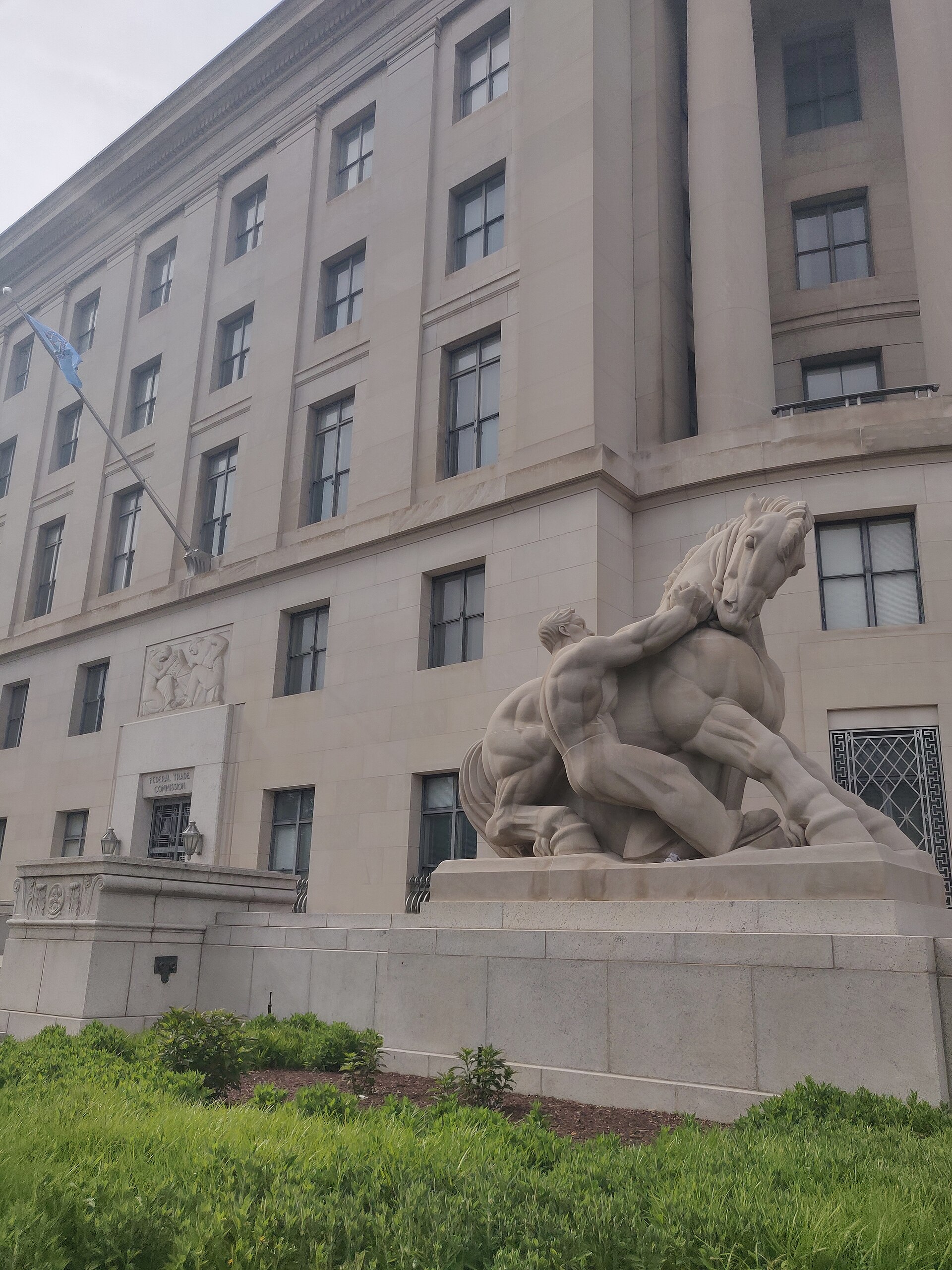
The warranty seal on a game console has a federal paper trail behind it. In April 2018 the Federal Trade Commission's staff put a clause of that kind on a short list of questionable warranty provisions and mailed it to six companies. In July 2024 staff sent letters about the same kind of clause to three companies that sell motherboards and graphics chips. What sits between the two mailings is the part worth reading.
What the FTC said in 2018
The 2018 record is a press release from the Federal Trade Commission. It states that Commission staff sent warning letters to six major companies in three industries - automobiles, cellular devices and video gaming systems - all selling in the United States. The release does not identify any of them.
What staff raised concerns about, the release says, were company statements that a consumer had to use specified parts or service providers or lose the warranty. Unless the warrantor hands over those parts or that service free, or holds a waiver from the FTC, the release describes statements of that kind as generally prohibited by the Magnuson-Moss Warranty Act, the federal law governing consumer product warranties, and possibly deceptive under the FTC Act as well.
The release then lists examples of questionable provisions drawn from the companies' warranties, with the company names removed. One requires the manufacturer's own parts to keep warranties intact. A second withdraws coverage where the product is used with goods the company did not sell or license. The third is the one a consumer actually touches: "This warranty does not apply if this product . . . has had the warranty seal on the [product] altered, defaced, or removed."
The reason given is competitive as much as consumer-facing. "Provisions that tie warranty coverage to the use of particular products or services harm both consumers who pay more for them as well as the small businesses who offer competing products and services," said Thomas B. Pahl, Acting Director of the FTC's Bureau of Consumer Protection.
The release closes with a deadline and a consequence. Staff asked each company to go through its promotional and warranty materials and revise its practices; staff would then look at the companies' websites after 30 days, and a failure to correct potential violations could result in law enforcement action.
What the record shows
The FTC's own release withheld the recipients' names, and they reached the public by another route. A client alert from the law firm Wiley Rein states that the letters went out on April 9 and the press release followed on April 10, and that the FTC released the letters themselves in response to Freedom of Information Act requests. The alert names the six recipients as ASUSTeK, HTC, Hyundai, Microsoft, Nintendo and Sony Computer Entertainment. It describes the letters as setting out clauses the agency's staff believes may violate federal law - a staff concern, not a finding of liability against any of the six.
The alert also supplies vocabulary the captured FTC release does not use. It reports that the FTC's release and released letters describe three types of clauses, the third covering terms suggesting that opening the product or breaking a "warranty seal" sticker voids the warranty. The word sticker appears in the alert, not in the captured FTC release, which says seal.
Three years on, the Commission reported to Congress on repair restrictions - adhesives that make parts hard to replace, spare parts kept scarce, diagnostic software withheld. Congress had directed the FTC to issue that report, noting that it was aware of the agency's ongoing review of "how manufacturers-in particular mobile phone and car manufacturers-may limit repairs by consumers and repair shops." Among the report's findings: "there is scant evidence to support manufacturers' justifications for repair restrictions." The Commission voted 4-0 to authorize staff to send it.
Enforcement arrived in the summer of 2022. In June the FTC charged Harley-Davidson Motor Company Group, LLC and MWE Investments, LLC (Westinghouse) with illegally restricting repair rights: their warranty terms, the agency said, cut off coverage when a customer used an independent dealer or fitted third-party parts. "Consumers deserve choices when it comes to repairing their products, and independent dealers deserve a chance to compete," Samuel Levine, Director of the FTC's Bureau of Consumer Protection, stated. The vote to issue the complaints and accept the consent agreements was 5-0.
A few weeks later the agency filed an administrative complaint against Weber-Stephen Products, LLC, charging that its warranty terms told customers coverage would be void if they fitted third-party components to their grills. "This is the FTC's third right-to-repair lawsuit in as many weeks. Companies that use their warranties to illegally restrict consumers' right to repair should fix them now," Levine stated. The Weber release names the harms - narrower parts choice, higher prices for the maker's own components, independent repairers and aftermarket manufacturers undercut - and notes that violations carry potential civil penalties up to $46,517 each. That is the only dollar amount in the captured text of the six documents this piece works from.
Then the letters resumed. In July 2024 FTC staff sent warning letters to eight companies over warranty practices that, staff said, may violate the Magnuson-Moss Warranty Act. Five - aeris Health, Blueair, Medify Air, Oransi and InMovement - were told their statements tied warranty coverage to specified parts or service providers. The other three - ASRock, Zotac and Gigabyte, which sell gaming PCs, graphics chips, motherboards and accessories - were warned over stickers carrying "warranty void if removed" or similar wording, placed on products where they get in the way of routine maintenance and repair. The release carries a quotation with no speaker named: "These warning letters put companies on notice that restricting consumers' right to repair violates the law." Staff again said they would check the companies' websites after 30 days, and again held out law enforcement action if violations persisted.
Read as analysis: neither captured release mentions the other, but set side by side they show the same procedural step taken twice, six years and three months apart, against the same kind of clause. A staff warning letter. A 30-day website review. Law enforcement action described as a possibility rather than used. The two provisions are relatives, not twins - the 2018 example is warranty text about a seal that has been altered, defaced or removed, while the 2024 letters concern where a sticker is physically placed on the product - but both target the same act by the same consumer: opening the case.
The enforcement that did come between them landed elsewhere. Harley-Davidson, MWE Investments and Weber-Stephen are the three companies the 2022 actions charged; the only product line the captures name for any of them is Weber's grills. None of those names appears among the six the Wiley Rein alert identifies as the 2018 recipients, so in this set of documents the FTC's right-to-repair cases and its warranty-seal warnings involve entirely different companies.
For a consumer the operating fact is narrow and useful. The FTC's stated position in 2018 is that a warranty condition requiring specified parts or service providers is generally unlawful unless the maker supplies them free or holds a waiver from the agency. Weber, the 2022 release states, must carry the sentence "Using third-party parts will not void this warranty." Nothing in these releases requires ASRock, Zotac or Gigabyte to print anything; they received letters, and the 30-day review those letters set would have fallen due around August 2024, on the month taken from the release URL.
Read as analysis rather than as anything the agency has said, one falsifiable prediction from this desk: the FTC will not have filed a public enforcement action naming ASRock, Zotac or Gigabyte over warranty-void-if-removed stickers by January 31, 2027. The FTC's own press-release feed settles it either way on that date - the same feed that carried the 2018 letters, the 2021 report, the 2022 complaints and the 2024 letters. That is where the next entry in this sequence, warning or case, will appear.