Lifestyle & Consumer · The Record
The same 25 percent truck rate appears in a 1963 poultry retaliation and a 2025 proclamation
Proclamation 3564 answered a poultry dispute with a 25 percent duty on trucks; a 2025 proclamation sets the same rate on a different class of truck, and nothing in the captured text of the 2025 proclamation mentions the 1963 one.
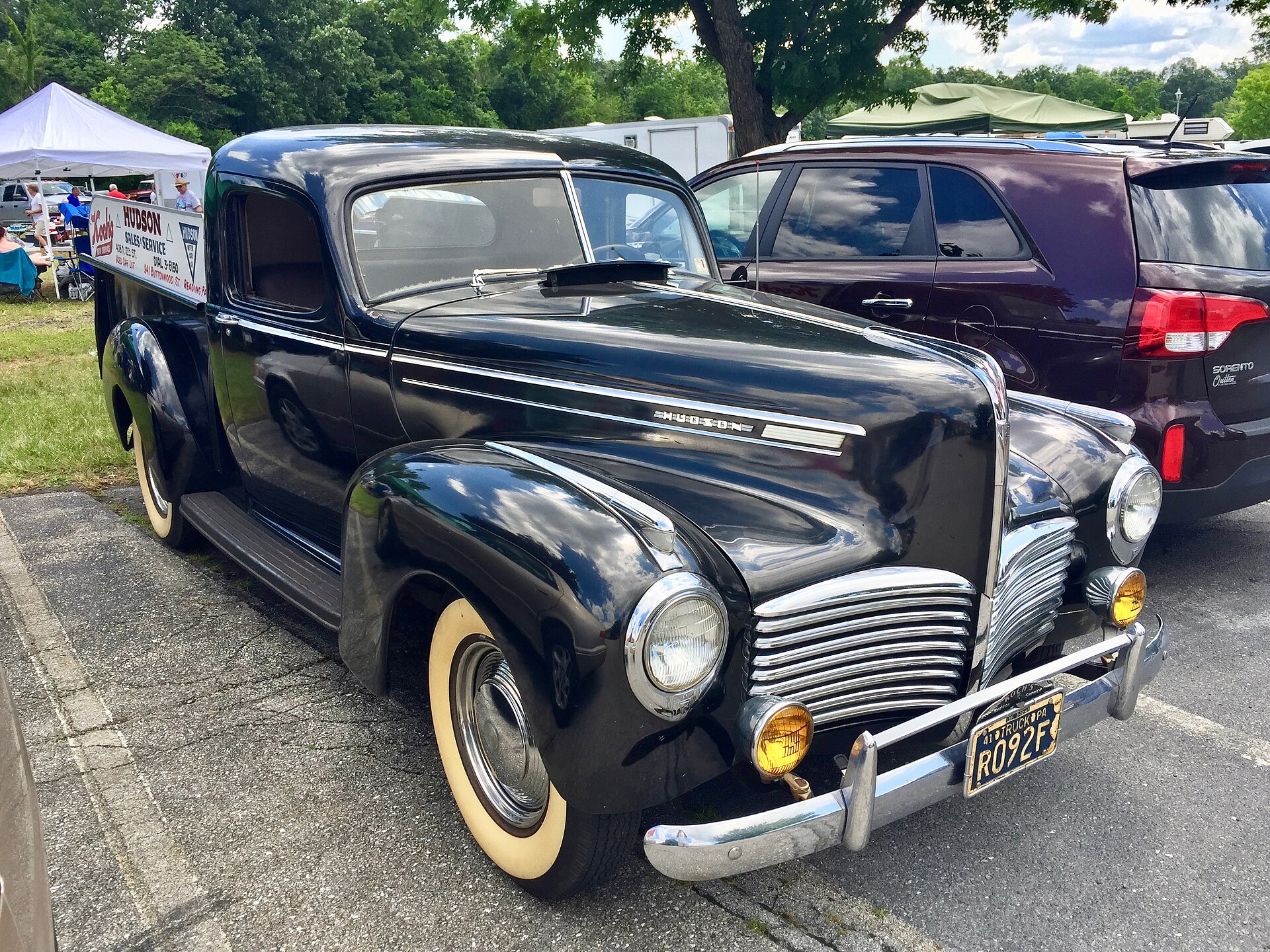
Two presidential proclamations, one from 1963 and one from 2025, put the same number on imported trucks: 25 percent. They do not cover the same vehicles. The proclamation on the White House presidential actions page, dated October 17, 2025, puts its 25 percent on medium- and heavy-duty vehicles, which the document counts in Class 4 through 8. A 1963 poultry dispute put its own 25 percent on automobile trucks, and a USITC search of the tariff schedule for 8704.31, captured 2026-09-05, returns the subheading 8704.31.01, the description "G.V.W. not exceeding 5 metric tons" and a rate of 25% - separate fragments, with nothing in the capture binding the three together. Same number, different trucks, and nothing in the captured text of the 2025 proclamation mentions the 1963 one.
The 2025 proclamation argues from a lost position of its own telling. Its recitals state that these vehicles, certain parts and buses are arriving in quantities and circumstances that threaten to impair national security, and that from the 1950s through the 1990s American brands built nearly all of them at home. The number carrying the argument is an "import penetration level of 43 percent of Class 4 through 8 MHDVs sold on the United States market", with the heaviest class, Class 8, put at 50 percent.
What follows the argument is an order: a 25 percent ad valorem duty on the listed vehicles and parts, 10 percent on buses classified in heading 8702, applied to goods entered for consumption from 12:01 a.m. eastern daylight time on November 1, 2025. Vehicles manufactured at least 25 years earlier are excluded. The captured recital passages speak institutionally, describing what is being imported rather than quoting anyone, and the signature block prints DONALD J. TRUMP with no title attached, dated the seventeenth day of October 2025. Nothing on the captured page attributes the reasoning to a named person, so this piece attributes it to the document.
The number itself is old. Proclamation 3564, done at the City of Washington on December 4, 1963, raised four duties in one short schedule: potato starch at 2.5 cents a pound, dextrine and treated starches at 3 cents a pound, brandy valued over $9.00 a gallon at $5 a gallon, and, last on the list, "Automobile trucks valued at $1,000 or more (provided for in item 692.05)" at "25% ad val".
None of the reasoning was about trucks. The proclamation rests on import restrictions the European Economic Community maintained on American poultry, which the text calls unreasonable and says directly and substantially burden United States commerce, and it invokes Section 102 of the Trade Expansion Act of 1962. The document states that the rates it suspended would not be required or appropriate to carry out any trade agreement on and after January 7, 1964. The capture does not name the President who signed it; it carries the line "Dean Rusk, Secretary of State." with no framing word around it, so what that line certifies is not on this record. The Cato Institute commentary and the Wikipedia entry on the chicken tax both identify President Johnson (Cato names him Lyndon Johnson).
The document that turns this from trivia into an accountability question is Proclamation 4707, dated the eleventh day of December 1979, delivered the same day and printed over the name Jimmy Carter. It recites the earlier action, citing Proclamation 3564 of December 4, 1963 (77 Stat. 1035), and repeats the poultry ground. Two fragments from that capture matter. One reads "At the close of December 31, 1979, the suspension of tariff concessions contained in". The other reads "the suspension of tariff concessions contained in Proclamation 3564 (except those applicable to", followed immediately by "automobile trucks valued at $1,000 or more (provided for in TSUS item 692.02)". A reader can see the shape - an end-1979 action on the poultry retaliation, with trucks named inside an exception - but the operative verb sits outside the capture. What that exception does to the truck duty, and under what authority it continues, is not settled by this evidence. The item number also moves between the two documents, from 692.05 in 1963 to 692.02 in 1979, and neither capture explains the change.
On the schedule as searched now, a USITC query for 8704.31 returns five fragments: the subheading "8704.31.01", three weight descriptions including "G.V.W. not exceeding 5 metric tons", and a rate of "25%". No effective date, no revision number and no edition came with them. The Wikipedia entry, secondary, states that "As of March 2023, the 1964 tariff of 25% remains levied on imported light trucks."
Read as analysis rather than as record, the two documents hand each side of the tariff argument its preferred example. Light trucks have carried a 25 percent duty for decades, and the Cato Institute commentary, which describes that duty as prohibitive and says it restricts competition, reports that Ford F series, GM Silverado and Sierra, and Dodge Ram trucks "account for 95%" - the capture cuts off there, so what the 95 percent is a share of is not on this record; a separate fragment states "The truck tariff enables U.S. automakers to dominate the domestic market." The medium and heavy classes had no such line, and the 2025 recitals count 43 percent imports across Class 4 through 8. One number, two segments, opposite conclusions available to whoever wants them. The Cato capture also carries the four-word phrase "out of political inertia" standing alone, so what the commentary applies it to cannot be read from this evidence.
For a buyer, the estimate on the record belongs to Cato: "an additional 14,000 to 32,000 more light trucks would have been available for sale" - a fragment this piece reads, from the commentary's direction, as describing a market without the duty, and the commentary attributes higher prices and thinner inventories to the tariff. That is opinion writing from a think tank, and it is the only consumer-price estimate in this evidence set.
Two further items sit only in the secondary record. The Wikipedia entry states that in 2024 Ford reached a settlement with the United States Department of Justice, agreeing to pay $365 million in tariffs and penalties; that is an encyclopedia entry rather than a court or department document, and no primary source for it was captured. The same entry carries a sentence with no surrounding context in the capture, stating that removed parts were not shipped back to Turkey for reuse but "shredded and recycled in Ohio" - it names no importer, no vehicle, and no reason the parts came off. Ford Motor Company has not been asked for comment on the settlement, and the White House has not been asked about the 2025 proclamation.
What a reader can check: the 2025 proclamation directs its duties at goods entered for consumption on or after November 1, 2025 - 25 percent for the medium and heavy classes, 10 percent for buses under heading 8702; whether entries since that date have actually been charged those rates is not shown by this evidence set. The light-truck line can be looked up at any time under 8704.31.01. This desk's prediction, on the evidence above and nothing further: on December 31, 2026, that line will still show a General rate of 25 percent. The 1963 proclamation attaches January 7, 1964 to the rates it suspended, which is not the same as proving a duty has run without a break since that day; the schedule on the check date will settle whether the number is still there, not how it got there.