Health & Medicine · The Record
Samsung's Galaxy Buds hearing aid feature cleared as software in a 112-day routine FDA review
The FDA file records an equivalence finding to an earlier product; the trade coverage describes a five-minute self-test as comparable to an audiologist's evaluation, and Samsung's own footnote says the feature is not a substitute for a clinician.
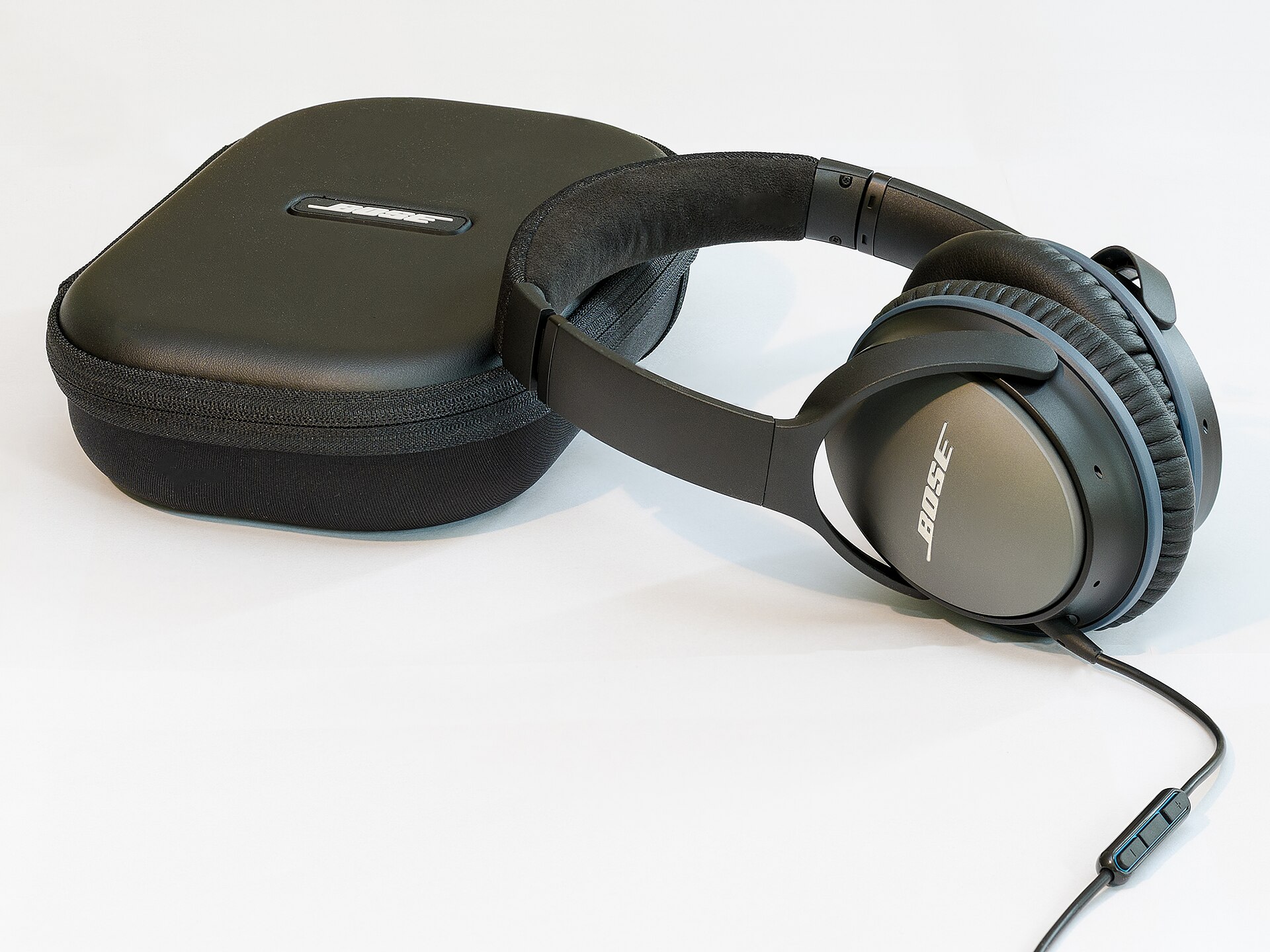
The U.S. Food and Drug Administration has cleared the Hearing Aid feature on Samsung's Galaxy Buds, and Samsung Electronics Co., Ltd. announced it on its own newsroom pages, where the case for the product is carried by Hon Pak, Senior Vice President and Head of the Digital Health Team for the Mobile eXperience Business at Samsung Electronics. "With the latest clearance from the FDA, we are expanding access to hearing support and making proactive care effortless by integrating the Hearing Test and Hearing Aid functionality directly into the Galaxy Buds," Pak stated in the announcement, as reproduced by the trade publication The Hearing Review. The argument being made is about access: an earbud many people already own, doing work that ordinarily begins with an appointment.
That is the claim. The record that tests it is a database entry, and it is short.
The FDA's 510(k) file for the product is K261187. Its applicant field names Samsung Electronics Co., Ltd., at an address in Suwon-Si, and its contact field names Hon Pak - the same executive quoted in the release, which is a useful detail: the regulatory filing and the marketing sentence run back to one named person. The dates in the file are 2026-04-10 for date received and 2026-07-31 for the decision - 112 days from filing to decision, by this desk's count of the two dates the file gives. The decision description reads "Substantially Equivalent" and the decision code is SESE. The clearance type field reads Traditional. The third-party review flag reads N, and the expedited review flag is empty. The device is class 2, product code SCR, regulation number 874.3335, and the advisory committee listed is Ear, Nose, Throat.
One hundred and twelve days separate the filing from the decision. Nothing in the record marks the review as unusual: no expedited handling, no outside reviewer, the ordinary pathway a device takes when the agency is asked to compare it with something already on the market.
What the file cleared is worth reading precisely, because it is not the earbuds. The record carries two device names: the trade name Hearing Aid Feature, and the classification name Air-Conduction Hearing Aid Software. The FDA's classification entry for product code SCR defines that category as software intended for use with a compatible wearable hardware platform "to compensate for impaired hearing", software that also "allows for customization to the user's hearing needs". The buds are the platform the software runs on. Covering the clearance, audioXpress drew the same line, writing that "the physical hardware platform is separate from the regulated medical device".
On the question of what the software was compared with, audioXpress reports that "The submission identifies Apple's Hearing Aid Feature, DEN230081, as the predicate device". This desk could not confirm that from the filing itself: the 510(k) summary document for K261187 was not retrievable from the FDA's public document files on 2026-08-16, although the record's statement_or_summary field declares that a Summary exists. The predicate identification therefore belongs to audioXpress's reading of the submission, not to a document read here. If it holds, the regulatory ground was broken by the 2024 authorization it points back to, and Samsung's route was the one that authorization opened.
The sentence that gave the story its shape is a different matter again. In its report on the announcement, The Hearing Review describes a hearing test that "takes approximately five minutes to complete. Using clinical-grade, pure-tone audiometry...accuracy is comparable to a professional audiologist's evaluation". Samsung Mobile Press, for its part, describes the fitting formula behind the feature as "recognized globally as the clinical standard formula for fitting prescription hearing aid". The FDA classification the software was cleared under speaks to amplification and to customization to the user's hearing needs; on its face it carries no diagnostic-audiometry indication. audioXpress is the source in this piece's material that ties the product code, the regulation and the Traditional pathway back to the file.
Samsung's own fine print is the more careful writing. On Samsung Newsroom U.K. and on Samsung Mobile Press, the footnote states that the feature is intended for users 18 years and older with perceived mild to moderate hearing loss and "is not a substitute for professional diagnosis or treatment by a qualified clinician". Set that beside the comparability line in the trade coverage and the distance shows: the coverage describes parity with a clinician's evaluation, the manufacturer's own footnote declines the comparison. This desk cannot place the two sentences on a single page - the comparability line is evidenced here only in The Hearing Review's report, the footnote on Samsung's pages - so what is documented is a gap between how the product is described in coverage and the limitation Samsung itself prints.
An analytical note on the standard, offered as this desk's reading of the record rather than as a quotation of agency guidance, which was not obtained for this piece: the fields in K261187 record a comparative determination. The decision description is equivalence to a predicate, and no field in the file reports a head-to-head test of a self-administered five-minute exam against an audiologist's. That is not proof such data are absent; a submission can contain performance testing that a database line does not display. It is a reason to say that the clearance by itself does not establish the parity the coverage describes, and that anyone wanting that parity demonstrated should be looking for the study, not the file.
The scope of the thing is narrow in ways worth stating plainly. Samsung's pages say the feature is "Available on Galaxy Buds3 Pro and Galaxy Buds4 Pro only.", that availability may vary by market, model or paired device, and that full support requires a compatible Galaxy device running One UI 8 or later. The indication is adults, 18 and older, with perceived mild to moderate hearing loss. This piece makes no judgment about any reader's hearing and gives no advice about care.
Three things are checkable from here. The 510(k) summary for K261187 may yet appear in the FDA's public document files, and it is the document that would show what performance data the submission actually contained. The record itself stays open at openFDA for anyone who wants to read the fields rather than the press release. And the product is cleared but not shipping: The Hearing Review reports that availability in the United States is targeted for the fourth quarter of 2026, so no American user has used the feature the announcement describes.
A prediction this desk will check: by 2026-12-31, the openFDA 510(k) database will contain no further Samsung Electronics submission under product code SCR adding a diagnostic-audiometry indication - meaning the audiologist comparison will still rest on the company's own description of its test rather than on anything in the regulatory file.