Health & Medicine · The Record
FDA order adding bemotrizinol names DSM as requester, 21 years after 2005 filing
The Federal Register notice records a Tier 1 monograph order request filed by DSM Nutritional Products LLC in September 2024; BASF markets the ingredient under a co-exclusive license. The ingredient was first filed with the FDA in 2005.
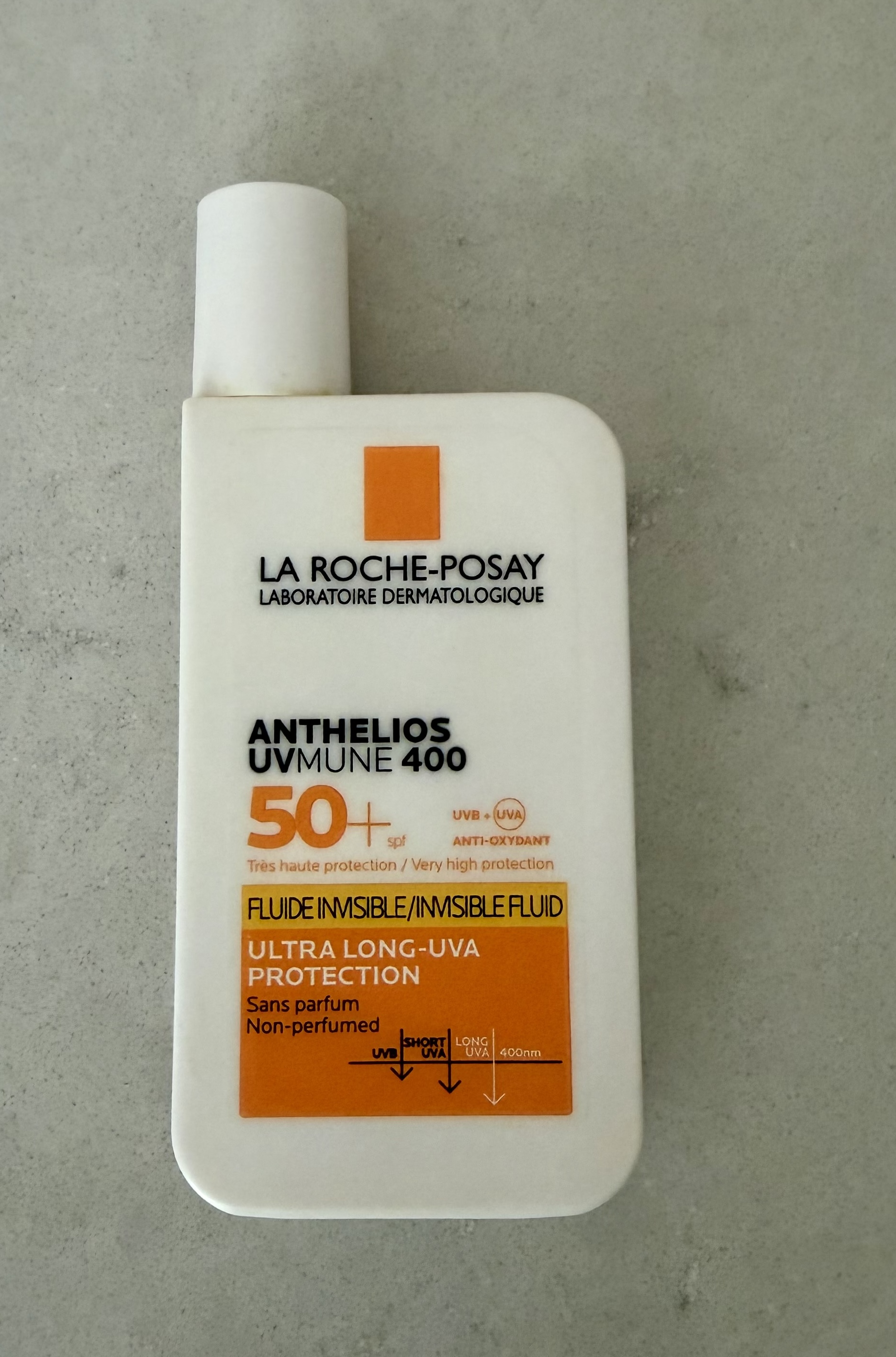
A notice published in the Federal Register on June 10, 2026 announced the availability of a Food and Drug Administration final administrative order, OTC000039, adding bemotrizinol to the over-the-counter sunscreen monograph M020 at "concentrations up to 6 percent as a sunscreen active ingredient." Bemotrizinol is the ultraviolet filter BASF markets as Tinosorb S. What the agency did is narrow and specific: it permitted one active ingredient, up to a stated ceiling, in a category of products Americans buy without a prescription. Everything else attached to the decision - the milestone language, the market read, the argument about how long the wait was - has to be tested against that record.
BASF announced the decision in a news release whose headline described the ingredient, marketed by the company as Tinosorb S, as receiving U.S. regulatory approval and as the first new sunscreen active ingredient the FDA has approved since 1999. The release is written for formulators and customers rather than for regulators, and it makes a commercial and reputational case: the company calls the ingredient "the first new sunscreen active ingredient approved by the FDA in 27 years" and states that "Tinosorb S represents decades of BASF innovation in photoprotection." That is the claim half, and it is worth being precise about what it does and does not assert - a company reporting that an ingredient it sells was approved, and dating the gap since the last such approval.
The notice's account of where the request came from is more specific than the framing that traveled with the story. The Federal Register text records that "On September 23, 2024, DSM Nutritional Products LLC submitted a Tier 1 OMOR" - an over-the-counter monograph order request - asking the agency to find that a sunscreen product containing bemotrizinol as an active ingredient is generally recognized as safe and effective. In the passages of the notice this desk examined, the party that submitted that request is DSM Nutritional Products LLC. The same notice situates Monograph M020 in the order system that took effect with the Coronavirus Aid, Relief, and Economic Security Act on March 27, 2020, and identifies the earlier order, OTC000006, that first set the monograph out.
BASF's own later release, announcing the U.S. launch of Tinosorb S, describes the company's position in the same terms. It states that BASF is authorized to market and sell the ingredient in the United States under a supplemental license agreement with DSM Nutritional Products LLC, and that the company holds "co-exclusive rights to market and sell Bemotrizinol during the FDA's 18-month exclusivity period," covering products made in the United States and products imported into it. Co-exclusive is not exclusive, and a licensee is not a filer.
Read together - and this paragraph is analysis, grounded in the two documents cited above - the order and the releases are not in conflict, and that is worth saying plainly. Neither BASF sentence quoted here says the company filed anything with the agency; the releases describe an approval and a license, which is what the Federal Register notice describes from the other side. What the pairing adds is precision that summaries tend to lose. One company submitted the order request, another markets the ingredient under license, and the marketing right named in the launch release is co-exclusive and time-limited rather than open-ended.
The longer question is the interval, and there a second statute belongs in the record. Public Law 113-195, the Sunscreen Innovation Act, directs the agency in days rather than years. Its text instructs the agency to, "[n]ot later than 90 calendar days after the date of enactment of such Act, issue a proposed sunscreen order," allows 45 calendar days for public comment, and then sets a final step "not later than 90 calendar days after the end of the public comment period." The excerpt of the law available to this desk also carries deadlines of 300 calendar days from the date a request is filed, 60 calendar days from receipt, and 210 calendar days after a sponsor submits additional information; the excerpt does not state which category of request each of those governs, so none is assigned one here.
What happened to the pending applications in the years after that law is documented by the Government Accountability Office. GAO-18-61 found that by February 2015 the agency had completed its initial review of the safety and effectiveness data for each of the eight pending applications, and concluded that more data were needed before the ingredients could be found generally recognized as safe and effective. The agency then asked sponsors for "additional data, including human clinical studies, animal studies, and efficacy studies." GAO's finding as of August 2017 is flat: "As of August 2017, all applications for sunscreen active ingredients remain pending." That record does not support a single-cause account of the delay. It shows an agency requesting evidence and applications sitting unresolved, and the excerpt does not establish what sponsors supplied afterward.
The length of the wait is also described differently depending on who is counting. BASF's release puts it at 27 years and dates the gap to 1999; the CBS News account calls bemotrizinol the first new sunscreen ingredient for the U.S. market in "more than 25 years." Both figures can be defended from different starting points, and neither is the number a reader most needs. CBS News reports that European authorities authorized bemotrizinol in 1999 and that it was first filed with the FDA for review in 2005. From that filing to the announcement of the final order on June 10, 2026 is 21 years.
The CBS News account also carries argument for the decision, including a line that the ingredient has been used safely in Europe for decades and that the agency's action "will increase competition and consumer confidence in sunscreen products." The excerpt available to this desk does not attach a speaker to that sentence, so none is named here. It is also worth stating what the order is and is not, in plain terms. Adding an active ingredient to a monograph at a maximum concentration is a permission to formulate and sell; it is not a finding about how any particular finished product performs on skin, and nothing in the documents cited above reports an outcome such as a change in skin cancer rates.
What comes next is checkable on dates. The final order is posted on the agency's website, and its text is where the 6 percent ceiling can be confirmed against the summary given in the Federal Register notice. The 18-month exclusivity period named in BASF's launch release sets a window after which the U.S. supply picture for bemotrizinol should look different, and a reader can test that by watching who is selling the filter when it lapses. The broader test is the rest of the backlog GAO counted: whether June's order was one request moving or a review system restarting. This desk's expectation, checkable on December 31, 2026, is the former - that no further final order adding a new sunscreen active ingredient to Monograph M020 will have published in the Federal Register by that date.