Crime & Justice · The Record
Federal jury convicts Kansas veteran of defrauding the VA of over $170,000 in caregiver benefits
An inspector general's indictment announcement puts the sum at $172,426 and names a second defendant whose case has no reported outcome. The Justice Department's fraud-task-force framing sits beside the same investigator's words in a 2022 Kansas case.
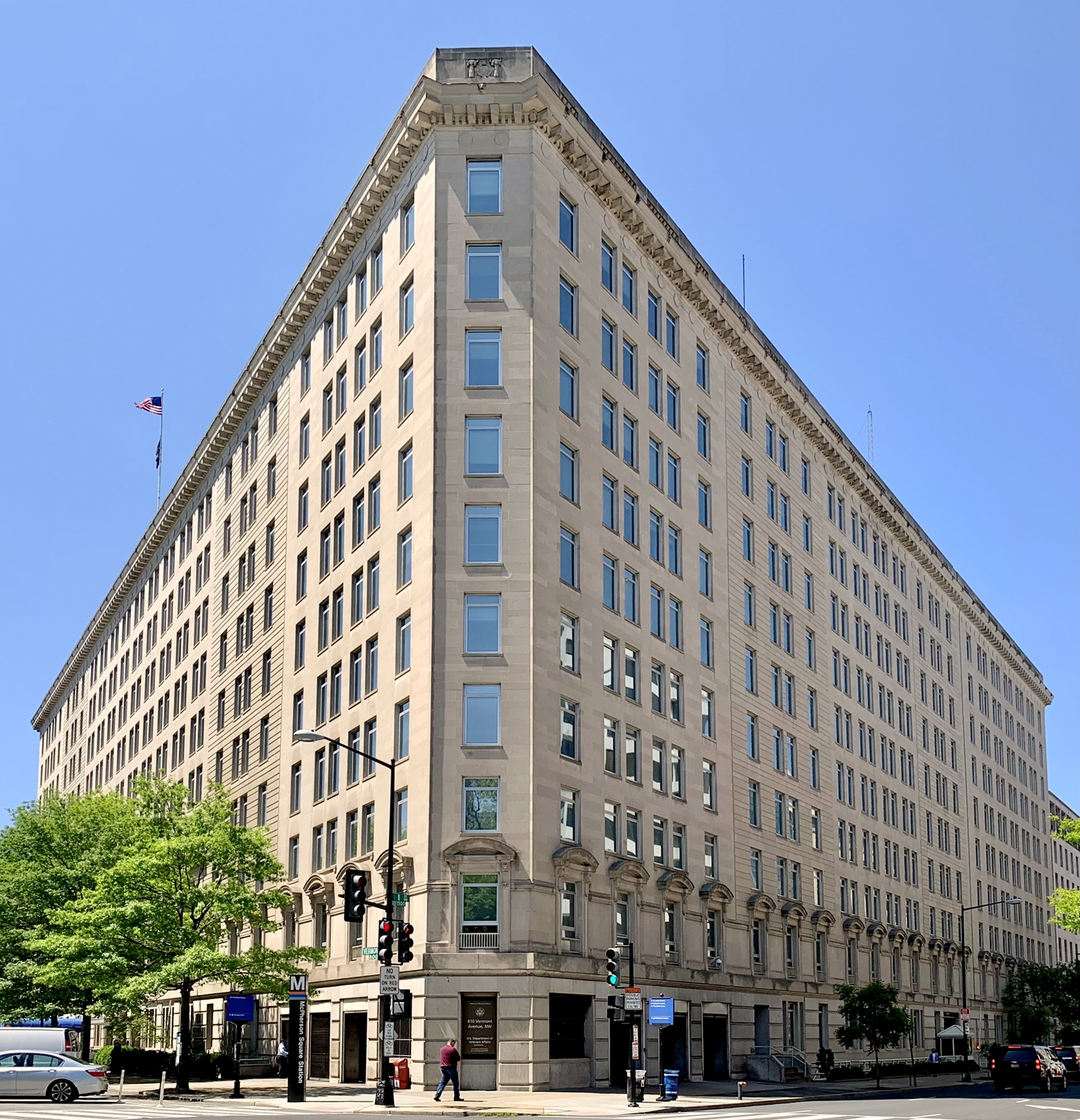
A federal jury in Kansas has convicted an Army veteran of two counts arising from payments made under a Department of Veterans Affairs caregiver program, WIBW-TV of Topeka reported on Aug. 10, 2026. Citing the Justice Department's Kansas district, the station said James Bradford, 49, of Junction City was found guilty of one count of conspiracy to defraud the government and one count of theft of public money, property, or records, and put the sum at over $170,000 in caregiver benefits.
A verdict is a finding by a jury. It is not a sentence, and it is not the end of a case. No sentencing date, restitution figure or post-trial filing appears in any source this desk reviewed.
An indictment, and a second defendant this piece does not name
The charging record this desk holds is a release from the U.S. General Services Administration's Office of Inspector General announcing that a veteran and his wife had been indicted for defrauding the VA. The release states the two were accused of giving the VA false and fraudulent information about his caregiver needs and her caregiving functions, resulting in receipt of "$172,426 in disability compensation to which they were not entitled."
That figure is consistent with the over $170,000 WIBW reported at conviction. The subject matter is the same: misstatement of a veteran's caregiver needs. And GSA's inspector general appears at both ends, with a GSA-OIG special agent in charge quoted in the conviction coverage. On those three matches this desk treats the release and the verdict report as the same prosecution. The passages held from the release do not themselves name a defendant, and no docket record was obtained.
The release carries the standard caution: "An indictment is merely an allegation, and all defendants are presumed innocent until proven guilty beyond a reasonable doubt in a court of law." As to Bradford, a jury has now returned a verdict. As to the second defendant, the caution stands undisturbed. The conviction coverage refers only to his caregiver and reports no outcome for anyone else. This desk has found no record of how her case resolved, and does not name her.
What the government says it found
Officials say that between August 2014 and July 2023 Bradford and his caregiver knowingly gave false and fraudulent statements about the level of care he needed, WIBW reported. The representation, in the station's account of the government's case, was that he could not see to basic care himself - managing his medication, organizing his financial affairs, getting himself from place to place - and needed his caregiver to do those things for him.
The program at issue is the VA's Program of Comprehensive Assistance for Family Caregivers, which provides monthly payments to people, usually family members, who care for qualifying veterans. The VA's own program page sets the entry threshold high: a disability rating of 70% or higher, and a need for at least six months of continuous, in-person personal care. The Government Accountability Office, in an April 2026 report page on the program, describes veterans with serious injuries or other impairments who often rely on caregivers for around-the-clock care.
Against that, WIBW reported that from May 2016 until 2025 Bradford worked for the General Services Administration as a project manager in Topeka, and that his duties included oversight of multi-million-dollar contracts between GSA and vendors.
That is the government's account, relayed by a broadcaster. Daily Pol reviewed no employment record, no payroll document and no VA claim file.
The department's framing
WIBW's report carries two paragraphs from the Justice Department that are not about this defendant at all. The department announced the creation of a National Fraud Enforcement Division on April 7 - the report gives day and month, with no year - and says its fraud work supports a task force it names for the president and describes as chaired by the vice president. The VA inspector general's special agent in charge, Gregory Billingsley, is quoted in the same report saying "Safeguarding benefits for veterans is a priority."
The same official, in 2022
WIBW has covered a Kansas VA-benefits prosecution before. In December 2022 the U.S. Attorney's Office for the District of Kansas announced that Bruce Hay, 54, of Greeley, an Army veteran, had been sentenced to 37 months in prison and ordered to pay more than $537,000 in restitution; a federal jury had convicted him in August 2022 of six counts of wire fraud and 10 counts of theft of government funds. That case concerned disability benefits and reached the point of sentencing; this one concerns the caregiver program and has reached a verdict. Billingsley was quoted then too, in different words, making materially the same point in substance: that benefits obtained by misrepresentation will be pursued. The Social Security Administration's inspector general published the same sentence the following day.
Analysis: what the pairing shows, and what it does not
Read narrowly, the two reports show one thing: the same VA inspector general official pressed materially the same substantive point in December 2022 that he pressed in August 2026, and the earlier coverage reviewed here carries none of the departmental framing the later coverage carries. That is an absence in two documents, not a chronology. The snapshots do not date the apparatus - WIBW gives April 7 with no year for the division's creation, and gives no creation date at all for the task force - so nothing here establishes when either body came into being relative to the 2022 case.
Nor does the pairing make the department's framing false. What it does mean is that a reader cannot infer from these two reports alone that enforcement of this kind began with the framing attached to it. The 2022 case was investigated, tried and sentenced under the same inspector general's office, with the same message attached, and the checkable record of it is public.
Right of reply and status
Daily Pol has not put questions to the convicted man, to the co-defendant named in the indictment announcement, or to defense counsel of record. That contact is required before this piece publishes and is recorded as pending; no reply has been sought, received or invented. Should any of them respond, this piece will carry the response. Nothing here should be read as a statement about the second defendant's guilt or innocence, and nothing here forecloses sentencing, post-trial motions or appeal.