Health & Medicine · The Record
Maine health agency says it will not follow Trump administration vaccine recommendations for children
Maine says it will follow pediatric guidance while a Trump administration order reclassifies some childhood vaccines and advises states to review school rules.
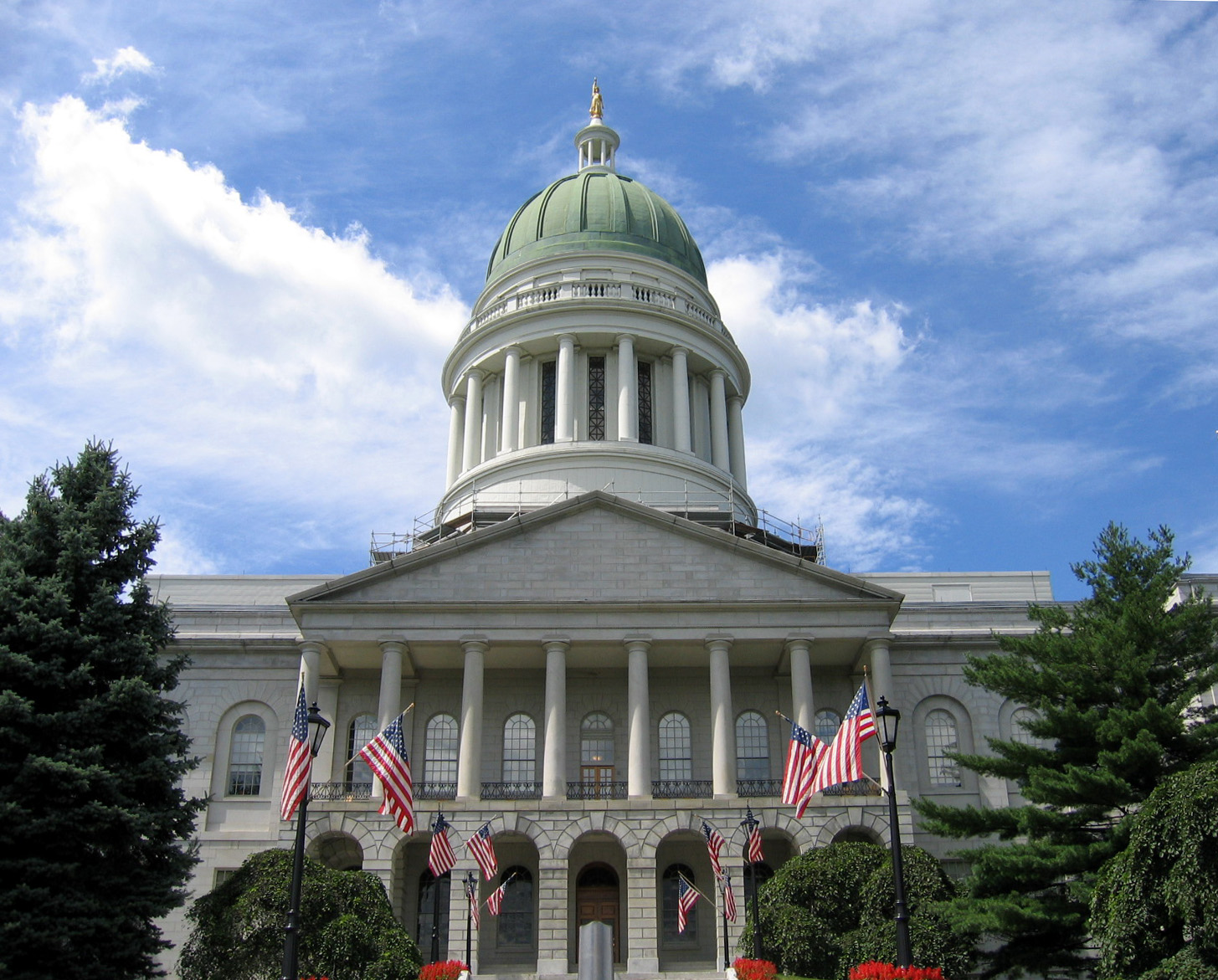
The Maine Department of Health and Human Services said the state will continue to follow the American Academy of Pediatrics guidance for childhood vaccines, despite President Donald Trump's executive order on childhood vaccinations. The department's Center for Disease Control and Prevention, the Maine center, issued the statement.
Gov. Janet Mills said in the Maine department's statement, "President Trump and Secretary Kennedy are playing politics with the lives of our nation's children." She also said that "Vaccines are safe and effective and save lives". Mills said Maine's approach to vaccines remains unchanged by the executive order.
The White House order sets out three categories of childhood vaccine recommendations. The first category lists vaccines recommended for all children. It includes measles, mumps and rubella; diphtheria, tetanus and pertussis; polio; Haemophilus influenzae type B; pneumococcal disease; human papillomavirus; and varicella.
The order's second category lists vaccines recommended for certain high-risk groups or populations. It includes respiratory syncytial virus monoclonal antibodies, hepatitis A, hepatitis B, meningococcal B, meningococcal ACWY and dengue.
The order's third category lists vaccines based on shared clinical decision-making. It includes hepatitis A, hepatitis B, rotavirus, meningococcal disease, influenza and covid-19. Hepatitis A and hepatitis B appear in both the high-risk category and the shared-decision category, so the order's lists are not exclusive for those two vaccines.
The White House text advises states and territories to review the categories and consider updating laws and regulations that define school enrollment and attendance immunization requirements. It also directs the Attorney General to take measures to further legal challenges to state laws that conflict with obligations related to parental authority, religious freedom, disability accommodations and equal protection. Within that clause, the order qualifies only the referenced obligation to provide religious and medical exemptions with the phrase "to the extent applicable under Federal law".
Dr. Puthiery Va, director of the Maine Center for Disease Control and Prevention, said vaccines remain available at no cost to eligible children through the state immunization program. Va also said Maine's school and child care immunization requirements remain unchanged by federal actions to date, a present-tense statement rather than a commitment about future actions.
Maine's school immunization law already diverges from the exemption language in the order. Beginning in 2021, Maine removed non-medical exemptions from school and child care immunization requirements under Public Law 2019, Ch. 154. The Maine department said that decision was upheld by 72.81 percent of voters in 2020.
The American Academy of Pediatrics said the order is not based on new evidence. The academy said, "There is no new evidence to justify significant changes to childhood immunization guidance." It also said measles cases have reached a 35-year high in the United States and called the order dangerous.
Analysis: The dispute is concrete, not only rhetorical. Maine says its current school and child care requirements remain unchanged by federal actions to date, while the order advises states to reconsider school immunization rules and directs the Attorney General to challenge laws over conflicts that include exemption obligations. Because Maine removed non-medical exemptions, the state law sits on the side of the exemption question that the order directs the Attorney General to test.