World & Conflict · The Record
Senate passed the Russia sanctions package 86-11; Merkley says it "cuts off an economic lifeline," AP says the president may waive it
Sen. Jeff Merkley (D-Ore.) described the bill on the day of the vote as the end of Russia's oil money. The Associated Press account of the same bill describes tariffs the president may impose and sanctions he may waive on his own certification. Merkley's statement makes that second point two sentences after making the first.
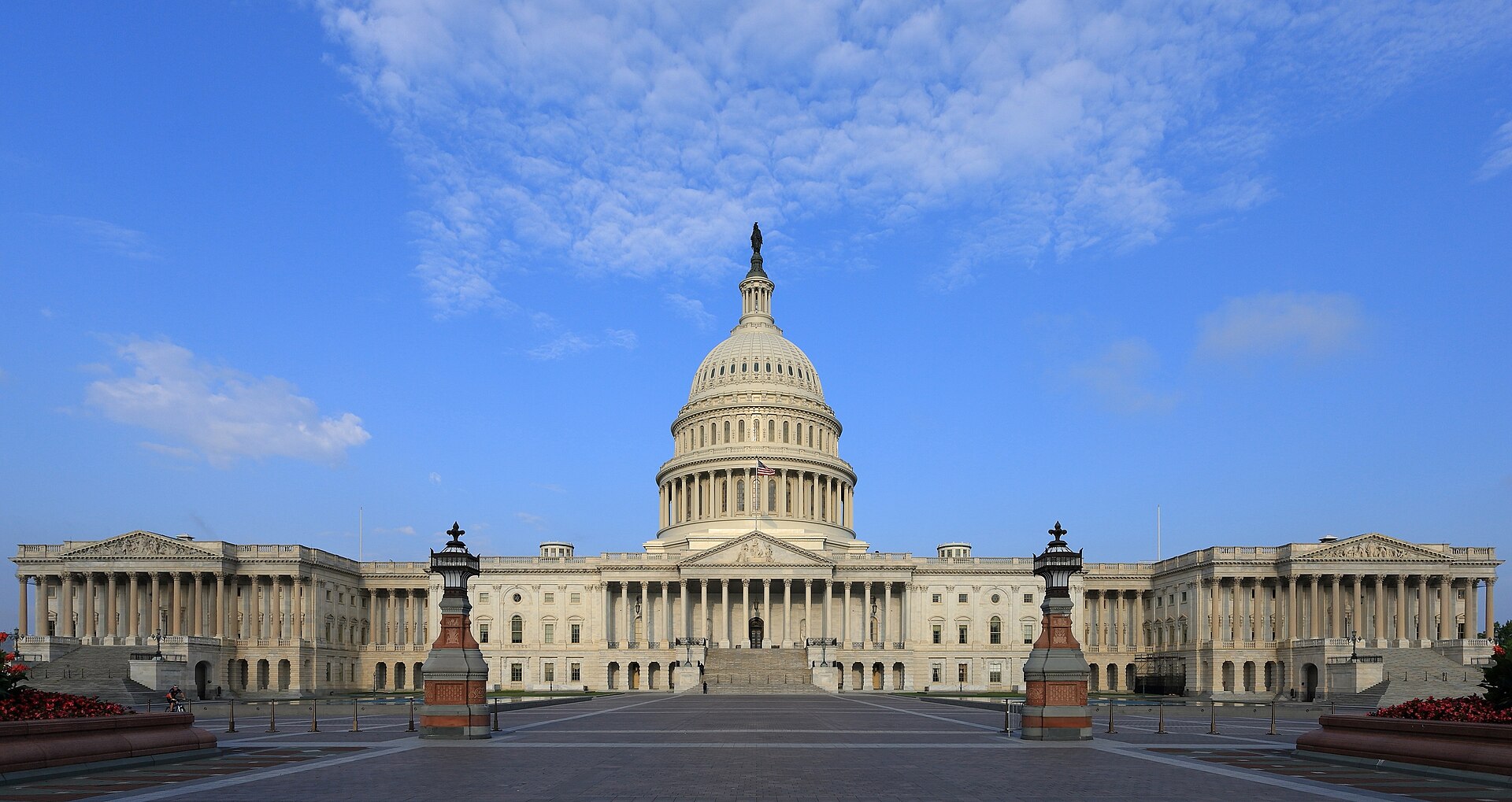
The Senate approved a Russian sanctions package by 86-11 on Friday, the Associated Press reported in an account published by PBS NewsHour. AP described the measure as legislation that would penalize countries buying Russian oil, gas and other exports, and reported that the package carries the name of the late Sen. Lindsey Graham of South Carolina, who had negotiated it.
The same day, Sen. Jeff Merkley (D-Ore.), whom his office identifies as a senior member of the Senate Foreign Relations Committee, issued a statement saying the legislation "ends these giveaways and cuts off an economic lifeline for Russia."
Merkley's statement also asserts that Russia's oil revenue was enhanced after President Donald Trump waived sanctions. The wording of that sentence leaves open whether the higher prices are attributed to the waiver or to the sanctions themselves, and Daily Pol did not independently verify the assertion; it is reported here as Merkley's claim, not as fact.
What the record shows the bill does
AP reported that the package allows the president to impose tariffs on the five largest purchasers of Russian oil or natural gas, naming China and India, with exceptions for countries that import less than 15% of their natural gas from Russia and are reducing those imports. AP also reported that the bill sanctions President Vladimir Putin, senior Russian political and military figures, Russian financial institutions and energy projects, and extends sanctions to older, reflagged tankers.
On the point that matters most to Merkley's claim, AP reported that the negotiated bill lets the White House "waive sanctions or restrictions if the president certifies to Congress that the waiver is in the national interest."
Roll Call described the same authority more loosely, reporting that the bill "would also allow for tariffs on imported goods from countries that buy most of Russia's oil or gas."
No snapshot reviewed for this article is the text of the bill itself. Everything above is how AP and Roll Call describe it.
The Oregon senators, and what the record does not settle
AP reported that the Senate defeated an amendment by Sen. Rand Paul (R-Ky.) and Sen. Ron Wyden (D-Ore.) that would have removed the new tariff authority, with Paul arguing the cost to taxpayers and Wyden and other Democrats objecting to granting the president any new tariff power. Wyden said, "We've got folks who are walking an economic tightrope here in America."
AP gave no vote total for that amendment in the passage reviewed here. It characterized the 11 opponents of final passage as mostly progressive Democrats and named none of them. The record reviewed for this article therefore does not establish how either Oregon senator voted on final passage - only that Wyden co-sponsored the failed amendment and that Merkley's office issued a supportive statement.
AP also reported that Sen. Raphael Warnock (D-Ga.), who had held up the package over the tariff authority, said he received a written commitment from the Trump administration through U.S. Trade Representative Jamieson Greer setting guardrails, and that the tariffs would be lifted once countries fall off the lists of Russian oil and gas purchasers or sanctions evaders.
A further account of the vote published by ECIKS - an outlet not otherwise identified in the material reviewed here - reports that the president could add countries to the tariff lists every 180 days and that "there is no mechanism in this bill for Congress to roll back these tariffs." No other source in this review carries either point, and Daily Pol treats both as uncorroborated.
AP reported that the House is expected to take up the package when lawmakers return to session at the end of the month. At the time of Merkley's statement, then, the bill had passed one chamber.
Analysis
The distance in this story is between a claim about an outcome and a bill that, as AP describes it, distributes authority. "Cuts off" describes money stopping. What AP describes is tariff power the president may use, and sanctions he may set aside by certifying a national interest to Congress. Those are different kinds of statement about the same page of legislation.
Merkley does not conceal the gap. Two sentences after the cutoff claim, his statement says "the bill would be much better if it implemented the measures instead of leaving it to Trump's discretion." Read straight through, the release asserts an accomplished result and then names the condition that would be required to produce it. That is the contradiction available to any reader of the primary document, and no coverage reviewed for this article reads the release that way.
The amendment Wyden co-sponsored went at the same discretion, though more narrowly: as AP describes it, the amendment targeted the tariff authority specifically, while Merkley's caveat covers the bill's tools generally. Two senators from the same state reached different positions from a shared diagnosis - Merkley's office celebrating the passage while noting the discretion, Wyden trying to strip a piece of it out.
A checkable test. If the package cuts off revenue, the first observable step is a designation. Daily Pol predicts that as of Sept. 30, 2026, no tariff will have been imposed under this package on any of the five largest purchasers of Russian oil or natural gas. AP's reporting that the House does not return until the end of August is the basis: a bill through one chamber imposes nothing. If a tariff is imposed under this authority before that date, this prediction is wrong and Daily Pol will say so.
Editor's note: this article is held pending a comment request to Sen. Merkley's office on the difference between the cutoff claim and the discretionary structure AP describes, and to the White House on Merkley's assertion about the earlier sanctions waiver. No response from either is recorded here. Any response will be added.