Health & Medicine · The Record
Palforzia, the only FDA-approved peanut oral immunotherapy, was scheduled for global withdrawal on July 31, 2026
Stallergenes Greer said the decision is not related to quality, safety or efficacy. The FDA-approved label shows the product met its approved endpoint - and mandates the restricted program and 60-minute observation periods the label itself attaches to dose escalation.
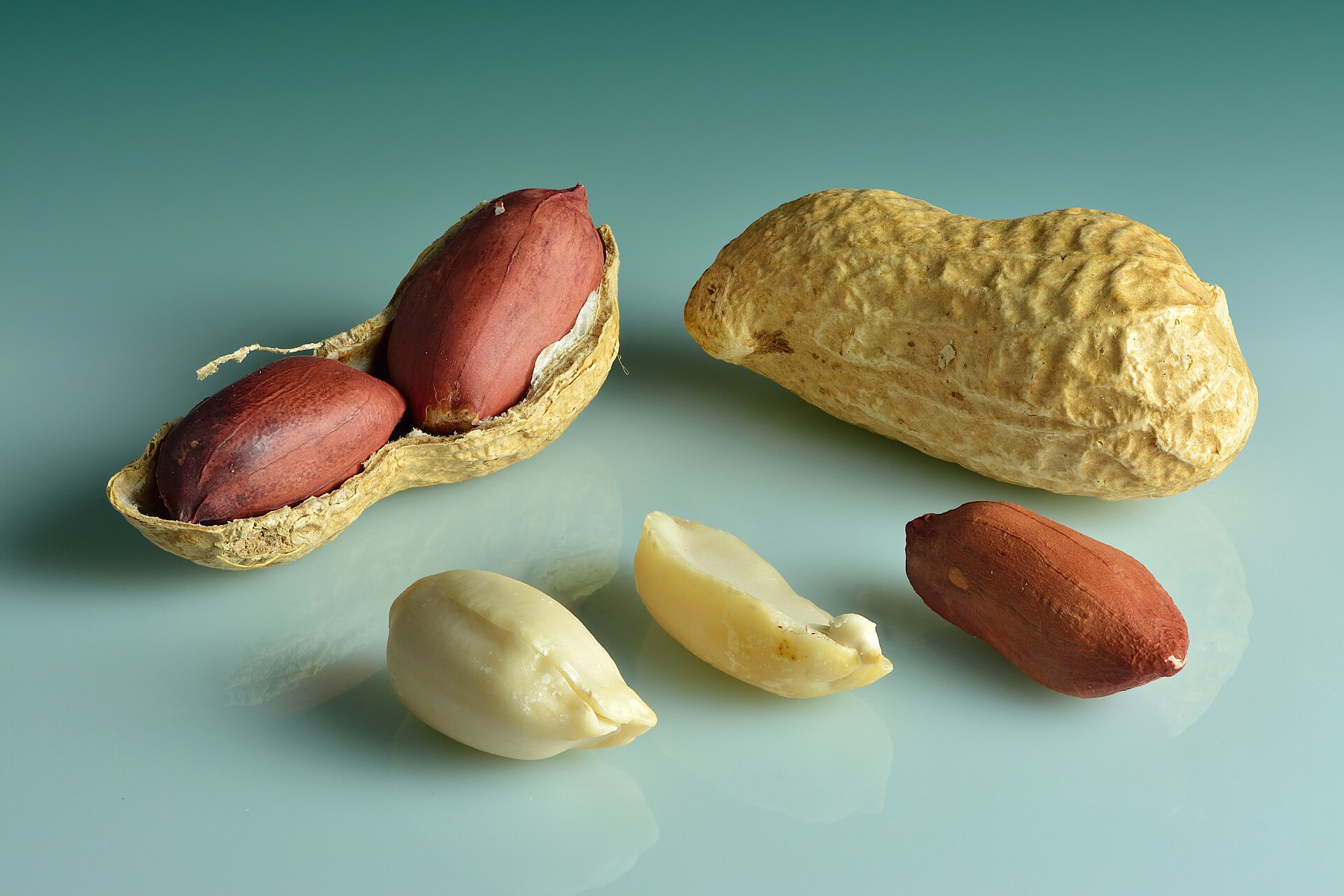
Stallergenes Greer's discontinuation of Palforzia, the peanut oral immunotherapy that SnackSafely.com reported gained FDA approval in early 2020 for patients aged 4 to 17, was scheduled to take effect worldwide on July 31, 2026. SnackSafely.com reported that "the global cessation of the product will take effect on July 31, 2026." No source in this record confirms what occurred on that date. What the record establishes is the schedule, not its execution.
The claim
The British Society for Allergy & Clinical Immunology published the company's account of why: "The decision is not related to the quality, safety or efficacy of the medicine, but is based on strategic and operational considerations at Stallergenes." The same notice reported that Palforzia would remain available until the discontinuation dates, subject to existing supply conditions.
The Allergy & Asthma Network reported the same disclaimer in wording aimed at US patients: "This voluntary discontinuation is not related to product safety, quality, or efficacy."
The record
The FDA-approved prescribing information for Palforzia, published on DailyMed by the U.S. National Library of Medicine, records the trial result behind the approval. In the study described in the label's Clinical Studies section, 67.2% of subjects treated with Palforzia (N = 372) tolerated a single 600 mg dose of peanut protein with no more than mild allergic symptoms, against 4.0% of subjects given placebo (N = 124). The label puts the treatment difference at 63.2% (95% confidence interval 53.0% to 73.3%), P < 0.0001.
That is a desensitization endpoint measured under supervised challenge, and the label is explicit about the limits. It states the product is indicated for mitigating allergic reactions from accidental exposure, that it is to be used together with a peanut-avoidant diet, and that it is not indicated for emergency treatment of allergic reactions, including anaphylaxis. It does not describe a cure, and no source in this record reports one.
On efficacy, then, the company's disclaimer holds on its own terms: the label shows the product met the endpoint on which it was approved.
The same label sets out the conditions attached to giving it. Its boxed warning states that anaphylaxis can occur at any point during therapy and may be life-threatening, directs prescribers to prescribe injectable epinephrine and train patients in its use, and bars administration to patients whose asthma is uncontrolled. The label states that "PALFORZIA is available only through a restricted program called the PALFORZIA REMS." It also instructs clinicians to "Observe patients during and after administration of the Initial Dose Escalation and the first dose of each Up-Dosing level, for at least 60 minutes."
Analysis: the same diagnosis, two owners apart
What follows is analysis grounded in the documents cited above.
The conditions in the paragraph above are not friction that the market invented around the product. They are requirements written into the approval itself: a restricted program, and an hour of supervised observation at initial dose escalation and at the first dose of every up-dosing level. A prescriber who wanted to treat a child had to build a clinic around them. No source in this record states that those requirements caused the discontinuation, and Daily Pol does not assert it; the company gave considerations it described as strategic and operational, and did not itemise them in the notice BSACI published.
What the record does show is that two separate owners reached the same commercial reading three years apart. Nestle's full-year 2022 results release announced a review of strategic options for Palforzia "following slower than expected adoption by patients and healthcare professionals." BioPharma Dive reported an "impairment charge of 1.9 billion Swiss francs on Palforzia and Aimmune"; Daily Pol could not confirm that impairment figure in Nestle's own release and attributes it to BioPharma Dive alone. SnackSafely.com reported that Stallergenes Greer acquired the rights in late 2023 and expanded the indication to toddlers aged 1 to 3 in 2024 - a company widening a label under two years before ending the product. Consistency of diagnosis across a change of ownership is weak evidence of a structural cause rather than a managerial one. It is not proof, and the record here cannot separate the two.
Healio recorded that "Palforzia is one of only two FDA-approved therapeutics for food allergy." Healio's Q&A also recorded the view that "It is really unfortunate that this FDA-approved, well-characterized, pharmaceutically measured product will no longer be available"; the excerpt available to Daily Pol carries no speaker attribution, so the view is recorded here as the outlet published it.
Prediction, checkable by December 31, 2026. On or before that date, the FDA will not have approved another oral immunotherapy for peanut allergy, and Stallergenes Greer will not have announced a resumption of Palforzia supply. Either event falsifies this prediction, and both would be documented in public FDA approval records or company statements.
For patients mid-protocol
This is reporting of clinical guidance, not advice. The Allergy & Asthma Network reported that "Continued daily peanut exposure is typically required to maintain desensitization," and that parents who want to continue their child on peanut allergy therapy, or on oral immunotherapy generally, should speak with their child's health care provider. No source in this record gives a count of patients currently on the protocol, and Daily Pol does not estimate one.
Right of reply
Daily Pol has not documented a request for comment to Stallergenes Greer for this draft. One must be documented before publication. The company's own statements, as published by BSACI and the Allergy & Asthma Network, are quoted above in full.
Sourcing note: label evidence in this piece is taken from the DailyMed listing of Palforzia's FDA-approved prescribing information, published by the U.S. National Library of Medicine (setid 17f5be03-6705-4ac9-b8f3-bc4993ebc0eb).