Economy & Business · The Record
White House says the industrial resurgence is 'on schedule'; manufacturing payrolls are 62,000 below January 2025
Manufacturing added 5,000 jobs in July to 12,611,000 - 14,000 fewer than a year earlier. Of the 53,000 government payroll decline the White House cited, 3,000 was federal.
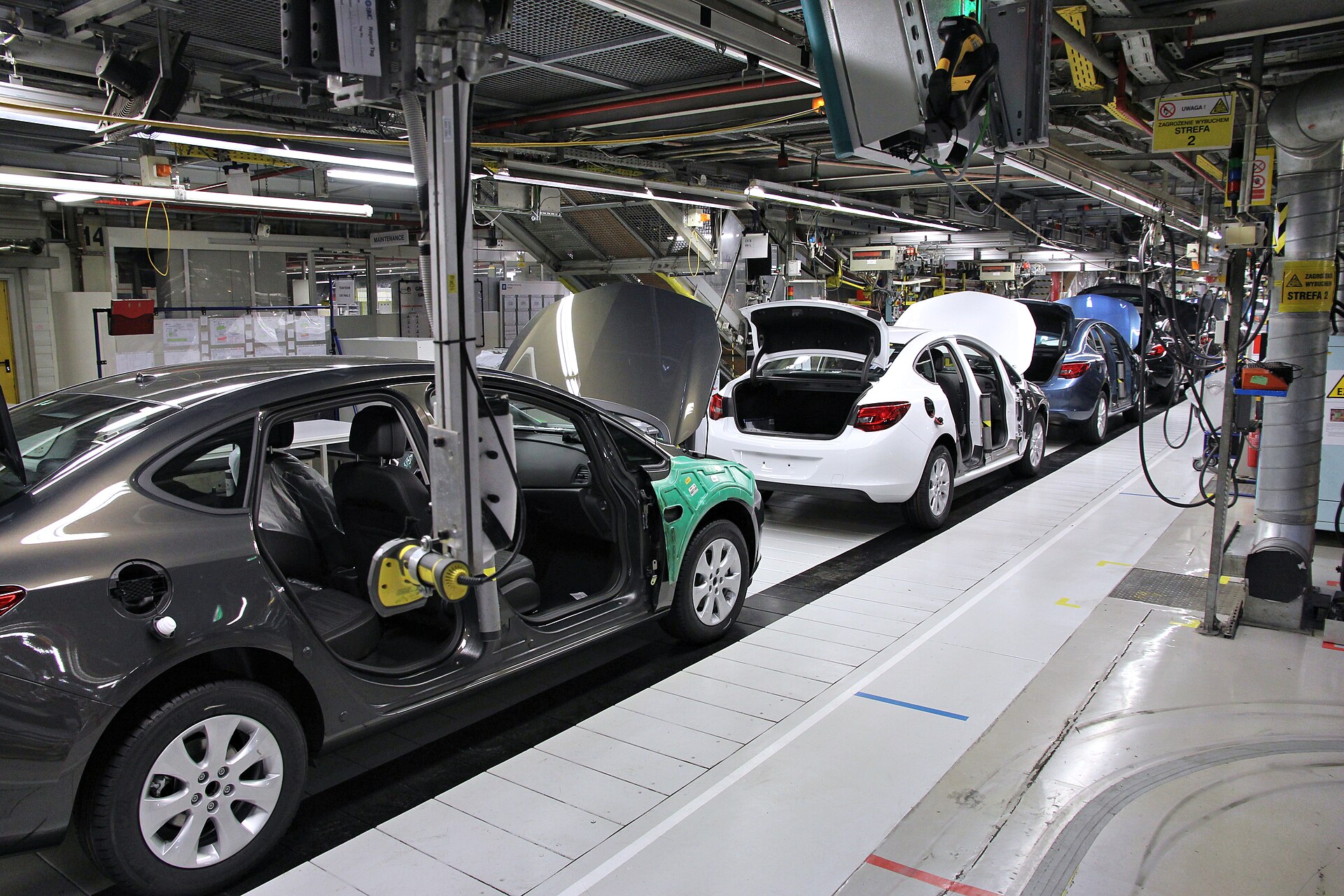
Employers cut 23,000 jobs from payrolls in July, and the Labor Department's revisions removed 103,000 jobs from the May and June counts, the Associated Press reported in a story dated Aug. 7 and carried by BNN Bloomberg. The unemployment rate was 4.1%, the lowest since June 2025; AP reported it fell only because 264,000 people dropped out of the labor market.
The White House answered with a statement from spokesman Kush Desai, which AP quoted. "The Trump industrial resurgence is on schedule," Desai said. "Manufacturing and factory construction jobs grew again in July even as government payrolls continued to significantly shrink."
Both halves of that statement describe Bureau of Labor Statistics Current Employment Statistics series, and both can be read straight off them. The first half is accurate for the month and points the other way over a year. The second half is accurate about the size of the government decline and misplaces where it happened. The series reviewed for this piece do not include construction, so the factory-construction leg of the statement is not tested here.
Manufacturing: the month rose, the level did not
The monthly figure is correct. Manufacturing Dive reported "The manufacturing industry added 5,000 jobs in July", and BLS series CES3000000001, all employees in manufacturing, seasonally adjusted, moves from 12,606,000 in June 2026 to 12,611,000 in July 2026.
The level is where the claim of a resurgence on schedule meets a different record. July 2026's 12,611,000 is 14,000 below July 2025 (12,625,000), 62,000 below January 2025 (12,673,000), and 264,000 below January 2024 (12,875,000). Every monthly reading in the series from January 2024 through September 2025 is higher than July 2026's, with September 2025 the narrowest margin at 12,612,000. Across the full stretch reviewed here, January 2024 through July 2026, the low point is December 2025, at 12,580,000.
Analysis, from those same numbers: the sector has been climbing since that December trough. January 2026 stood at 12,582,000, so the seven months through July have added back 29,000 - set against the 62,000 lost since January 2025. A recovery off a floor and a resurgence are different measurements, and the record supports the first one.
One further note on framing, also analysis. Manufacturing Dive presented the same gain as a rate: "That's more than a 145% increase from July 2025, which saw 11,000 job cuts." A percentage change computed from a negative base to a positive one is arithmetic without a referent; it describes no rate of hiring and cannot be compared with any other month's percentage. The underlying datapoint is +5,000.
Government: the shrinkage was mostly not federal
Total government employment, series CES9000000001, fell from 23,323,000 in June to 23,270,000 in July, a decline of 53,000 - the largest single drag in the report. Federal government employment, series CES9091000001, fell from 2,686,000 to 2,683,000 over the same month, a decline of 3,000. The remaining 50,000 sits outside federal payrolls, in state and local government, which the federal government does not employ.
The federal drawdown the administration did carry out is large and largely finished. Federal employment was 3,010,000 in January 2025 and 2,683,000 in July 2026, a fall of 327,000. By October 2025 it had already reached 2,748,000, meaning 65,000 of that total came in the nine months since.
A third figure appears in none of the coverage reviewed and follows from two series at once. Total nonfarm employment, series CES0000000001, went from 158,881,000 in June to 158,858,000 in July, the -23,000 headline. Government fell 53,000 over the same month. Private payrolls therefore rose by roughly 30,000. The topline number conceals two components moving in opposite directions, and each side of the argument has been quoting the component it prefers.
The revisions are the reason the month reads worse than the headline. Fox Business reported that May was revised down by 66,000, from a gain of 129,000 to 63,000, and June down by 37,000, from a gain of 57,000 to 20,000, against an LSEG poll of economists that had expected 80,000 jobs added in July.
The statement quoted above is the administration's on-the-record response to the July report. It does not address the year-over-year or since-January-2025 comparisons in the manufacturing series, and no further White House comment on those comparisons appears in the material reviewed here.
What lands this week
IndexBox lists the week's calendar: the Bureau of Labor Statistics releases the July CPI at 8:30 a.m. ET Wednesday, a PPI update follows Thursday morning, the Census Bureau publishes July retail sales at 8:30 a.m. ET Friday, and the University of Michigan updates its sentiment and expectations indexes at 10 a.m. Friday.
The inflation number arrives with the labor number still fresh. CPI-U, all items, not seasonally adjusted, read 333.952 in June 2026 against 322.561 in June 2025 - a 12-month increase of about 3.5%. ABC News reported that the Fed held rates steady at its most recent meeting and that three of the 12 members on its policymaking board voted in favor of a rate hike, the largest number of dissenters in the same direction since 2016.
A forecast, not a result, and checkable Wednesday: July CPI-U will show a 12-month increase of at least 3.0%, which requires an index above roughly 332.7 against July 2025's 323.048. If it prints below that, inflation decelerated faster in one month than any monthly move in this series since January 2025, and the hike dissenters lose their strongest argument in a week when the labor data already cut against them.