Lifestyle & Consumer · The Record
Federal rule set the Cash for Clunkers engine kill at two quarts of sodium silicate; GAO counted 677,842 cars
A syndicated article puts the destroyed total at nearly 690,000. The NHTSA final rule confirms the two-quart procedure exactly, GAO's audit counts 677,842 credited vehicles, and the rule itself allowed parts other than the engine block and drive train to be sold.
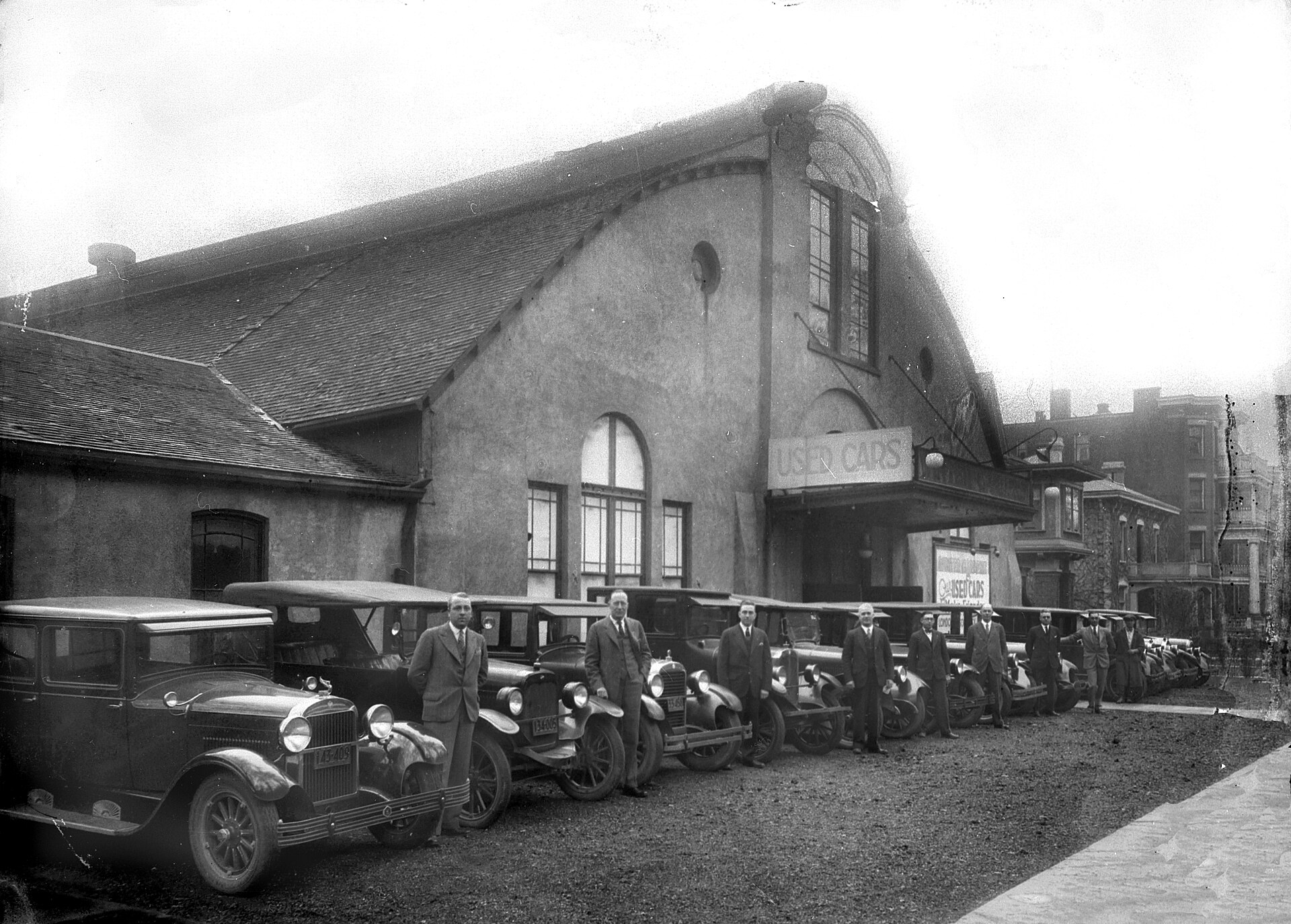
The strangest thing people remember about Cash for Clunkers - that dealers killed running engines with a cheap liquid off the parts shelf - is not a garage legend. It sits in a federal final rule, with a concentration, a quantity and a price.
The rule is the National Highway Traffic Safety Administration's Requirements and Procedures for Consumer Assistance To Recycle and Save Program, issued by the agency within the Department of Transportation and effective, by its own terms, on July 29, 2009. It sets the requirements and procedures for the voluntary trade-in and purchase or lease program created by the Consumer Assistance to Recycle and Save Act of 2009.
The method is set out step by step. Drain the engine oil from the crankcase, replace it with a 40 percent solution of sodium silicate - a substance the rule notes is used at similar strength in ordinary vehicle jobs such as patching mufflers and radiators - then run the engine for a short time at low speed. That, the document states, "renders the engine inoperable." Two quarts generally does it. The retail price of two quarts, enough to disable the largest engine the program allowed, is under $7 by the rule's own accounting, and the agency put the labor at roughly the time of a typical oil change.
The rule specifies that process and requires a dealer who takes in an eligible trade-in to disable the engine before the vehicle goes to a disposal facility. The statute behind it, the document records, also required pollutants to be removed and properly disposed of, vehicles to be crushed or shredded, and NMVITS to be updated with each car's disposition. One billion dollars was available for the program in total, $50 million of it for the agency to administer.
That procedure is the engine of a piece circulating under the headline Cash for Clunkers Destroyed 690,000 Cars. America Is Still Paying the Price., published by The Auto Wire and carried in syndication by Yahoo Autos, where this desk read it. The captured page carries no byline and no date, so everything below is attributed to the publication rather than to a writer. The argument is a consumer one: the government destroyed working cars, the cheap end of the used market never came back, and the people paying for it are the ones buying a first car or a no-debt commuter. The article names college students, single parents and workers who did not want to borrow, and states that "Those buyers suddenly had fewer options available, and the vehicles that remained became more valuable because supply had shrunk."
On the mechanism, the article is accurate and specific. It describes dealers pouring sodium silicate into qualifying trade-ins and running them until the engines seized permanently. The rule says the same thing in the agency's flatter register, and adds the two figures the folk version never carries: two quarts, under $7.
On the number, the record differs. The Government Accountability Office's review, GAO-10-486, records that 677,842 vehicles received a credit through the CARS program, at an average credit amount of $4,209. The two counts are not identical by definition - GAO counted vehicles that were paid for, the article counts vehicles destroyed - but under the rule every credited trade-in was bound for a crusher, and the article cites no count of its own at all. The gap between the audited figure and "nearly 690,000" is at most 12,158 cars. Against 677,842 that is a small percentage, and it is the load-bearing figure of the headline.
The Congressional Research Service reaches the same order of magnitude from the buyer's side. R46544, the service's analysis of vehicle scrappage subsidies, records the sale of more than 677,000 new vehicles under the program, including 401,274 passenger cars, and notes that dealers had to certify they would disable trade-in engines to prevent resale.
The verb is the second problem. The rule sends the trade-in to a facility that will crush or shred it, and in the same sentence permits the sale of parts other than the engine block and drive train - the drive train included, if it is broken up and sold in separate parts. What the program guaranteed was a dead engine by federal instruction and a car that could not return to the road. Every part other than the engine block and drive train was free to go back into circulation. That is a different thing from erasure, and it is the half of the design the popular memory drops.
The economic claim is where the record is thinnest, for the article and for anyone arguing the other way. GAO records that Members of Congress and administration officials articulated two broad objectives for the program - stimulating the economy and putting more fuel-efficient vehicles on the road - and found it met them, though "the extent to which it did so is uncertain." On the used market specifically, representatives the auditors spoke with about the impact on used-vehicle dealerships and charities reported mixed experiences and said it would be "difficult to isolate the impact of the CARS program." Where GAO did identify a price effect, it placed it upstream: new-vehicle sales under the program reduced the supply of certain new models, which boosted sales and prices, particularly for comparable late-model used vehicles. As analysis, that finding sits in a different segment of the market from the first car the article has in view; the record supports a squeeze on late-model used stock, not on the cheapest tier.
CRS also dates the worry itself. The concern that scrapping used vehicles at that scale "might reduce the number of used cars available for lower-income consumers" was raised in 2009, the report states - the argument being made now was already being made in 2009. R46544 records one fact about what actually came in: the average age of vehicles traded in during CARS was 16 years.
One further figure sits in the captured report without a subject attached to it. The sentence reads, as captured, "had a median-before tax income of about $69,000", carrying that spelling, and the captured text does not say whose income is being described. It is reproduced here as it appears and is not assigned to trade-in participants.
What to check next
All three records are public and free. The procedure, the two quarts and the under-$7 line are in Federal Register document E9-17994, effective July 29, 2009. The vehicle count and the average credit are in GAO-10-486. The 16-year trade-in age and the 401,274 passenger cars are in CRS R46544, posted in full at EveryCRSReport. Anyone repeating the 690,000 figure can find the audited alternative in the time it takes to open the GAO report.
A date to hold this to: on September 5, 2027, the Yahoo Autos version at that URL will still carry the nearly-690,000 sentence, uncorrected against GAO's 677,842. That is checkable in a browser in about a minute, and if it has been corrected by then, this desk was wrong about the correction and right about the number.