Lifestyle & Consumer · The Record
FTC extends personalized pricing comment deadline by seven days, to Sept. 25
Comments on the FTC's proposed personalized pricing policy statement are now due Sept. 25, 2026. The draft asks for disclosure, not a ban - and the release announcing the extension names no official.
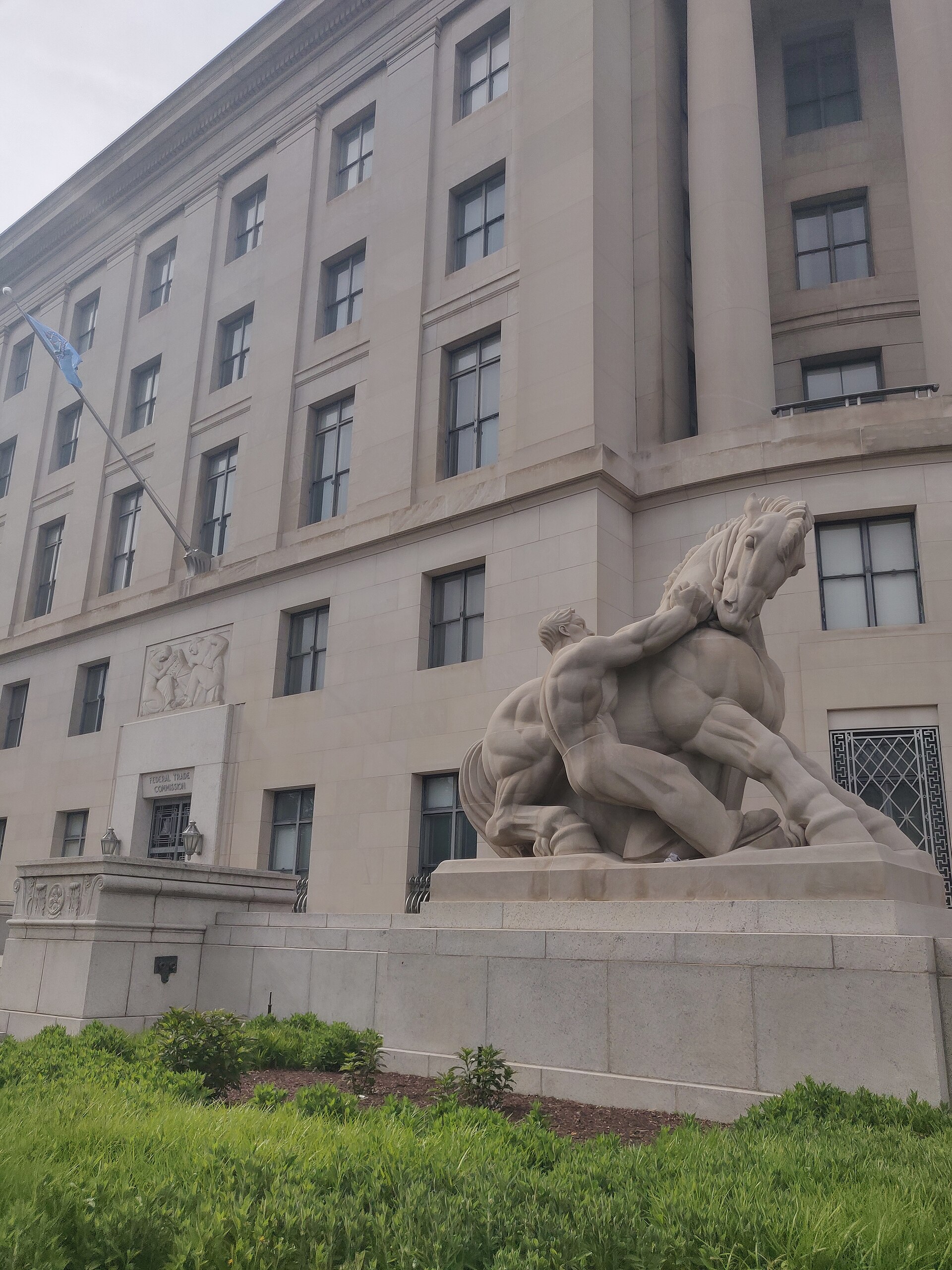
If you had September 18 marked as the day to tell the Federal Trade Commission what you think about being shown a price calculated for you, the date has moved. A Commission release records that the agency extended the public comment period on its proposed enforcement policy statement regarding personalized pricing by seven days. "The new deadline to submit comments is Sept. 25, 2026," the release states. The same document dates the original invitation to Aug. 19, 2026, when the Commission asked the public to comment electronically until Sept. 18.
That extension release also supplies the working definition. Personalized pricing, it says, refers to "the use of personal data to set prices according to the amount that a company believes an individual consumer is willing to spend." What the release does not carry is a person. There is no quotation in it, no named official, no commissioner explaining the extra week. The seven days arrive as an administrative fact and nothing else.
The document those comments are aimed at is a draft. It is out for comment and has not been adopted, and the Commission is asking to be told what is wrong with it before it decides anything. Two law firm client notes captured for this piece describe what it would ask of sellers. The Morgan Lewis note states that "Businesses may violate Section 5 of the FTC Act if they do not clearly explain when a price is personalized, why it is personalized, and what data is used." The Paul, Weiss memo breaks the same requirement into a list: "(1) the fact that the price is personalized; (2) the basis for personalization (e.g., willingness-to-pay modeling); and (3) the types of data used to personalize the price."
For a shopper, that is worth being precise about. The remedy on offer is a label, not a lower price. Nothing described in either note caps what a retailer may charge one customer relative to another; the proposal turns on telling you that the number in front of you was built for you, on what basis, and from which data. The Morgan Lewis note also records that personalized pricing is "a long-established norm" in markets where prices necessarily reflect consumer-specific risk, naming insurance and credit - so the practice itself is not what the draft treats as the problem.
The claim half of this story sits in the August 2026 release, and it is built around a single block of first-person text. The passage argues that shoppers expect a listed price to be the one everybody else is shown rather than a seller's estimate of what they personally will tolerate, and it closes by putting businesses engaged in or considering personalized pricing on notice that the Commission "will not hesitate to enforce the law in this space." The captured page carries that passage with no speaker line: no name, no office, no title. The research file assembled for this piece identifies the speaker as FTC Chairman Andrew Ferguson; the captured page carries neither that name nor that rank, so this piece credits the words to the release.
It concedes a limit before it warns of anything. In the same passage the release states that "The FTC does not have the legal authority to ban personalized pricing in all circumstances" - a sentence neither captured law firm note reproduces. Read next to the disclosure-only remedy, the concession is the shape of the whole document: the Commission is claiming ground over what sellers must say, not over what they may charge.
There is an older FTC record on the same subject, and it involves one of the same names. A Commission press release from January 2025 announced staff research summaries on surveillance pricing, reporting that "retailers frequently use people's personal information to set targeted, tailored prices" for goods and services, down to how a person moves a mouse across a webpage. The release also records how that publication was authorized: "The Commission voted 3-2 to allow staff to issue the report. Commissioners Andrew Ferguson and Melissa Holyoak issued a dissenting statement related to the release."
That dissent is a public document, filed as the Dissenting Statement of Commissioner Andrew N. Ferguson Joined by Commissioner Melissa Holyoak Regarding the Surveillance Pricing 6(b) Staff Research Summaries. Its objection, as captured, is procedural rather than substantive: the statement calls Section 6(b) studies among the Commission's most important duties and argues that "The Commission should allow staff to do its work and issue a final, fact-based report." It ends: "I therefore respectfully dissent."
The two records are nineteen months apart and neither one points at the other. Nothing in the August 2026 release or the September 2026 extension mentions the 2025 study, and neither 2025 record mentions any future policy statement. This desk reads the 2026 draft as addressing the practices those 2025 staff findings described - targeted prices assembled from personal data - because that is what both documents are about, but no captured document draws the line, and the reading is offered here as inference and not as a finding of the Commission's.
As analysis: the two records do not describe a reversal, and it would be sloppy to sell them as one. The 2025 dissent argued about when staff impressions should be published, not about whether data-set prices are a problem. What the sequence does show is an agency that in January 2025 split 3-2 over releasing preliminary findings on the practice, and in August 2026 issued a draft telling sellers of that same practice what they will have to disclose.
The practical part is short. Comments go in electronically, per the Commission's own description of the August invitation, and the door closes Sept. 25, 2026 rather than Sept. 18. Anyone who has been shown a price they suspect was assembled from their own data has a week longer than the first notice allowed to put that on the record.
What to watch after that date: whether the Commission adopts an enforcement policy statement, and whether the adopted text keeps the authority concession that the draft carries and the law firm summaries left out. This desk's expectation from the documents, not a Commission statement of intent, is that no final enforcement policy statement issues before the comment period closes on Sept. 25, 2026. If one does, the record above is wrong and this piece should say so.