Fashion & Apparel · The Record
Vortic says it was sued in 2015; the Second Circuit opinion dates the lawsuit to July 21, 2017
The published appeals court opinion in the Hamilton-Vortic trademark case puts the cease-and-desist letter on July 10, 2015 and the filing two years later. The watchmaker's own account of its win runs the two together, and adds two years to the fight.
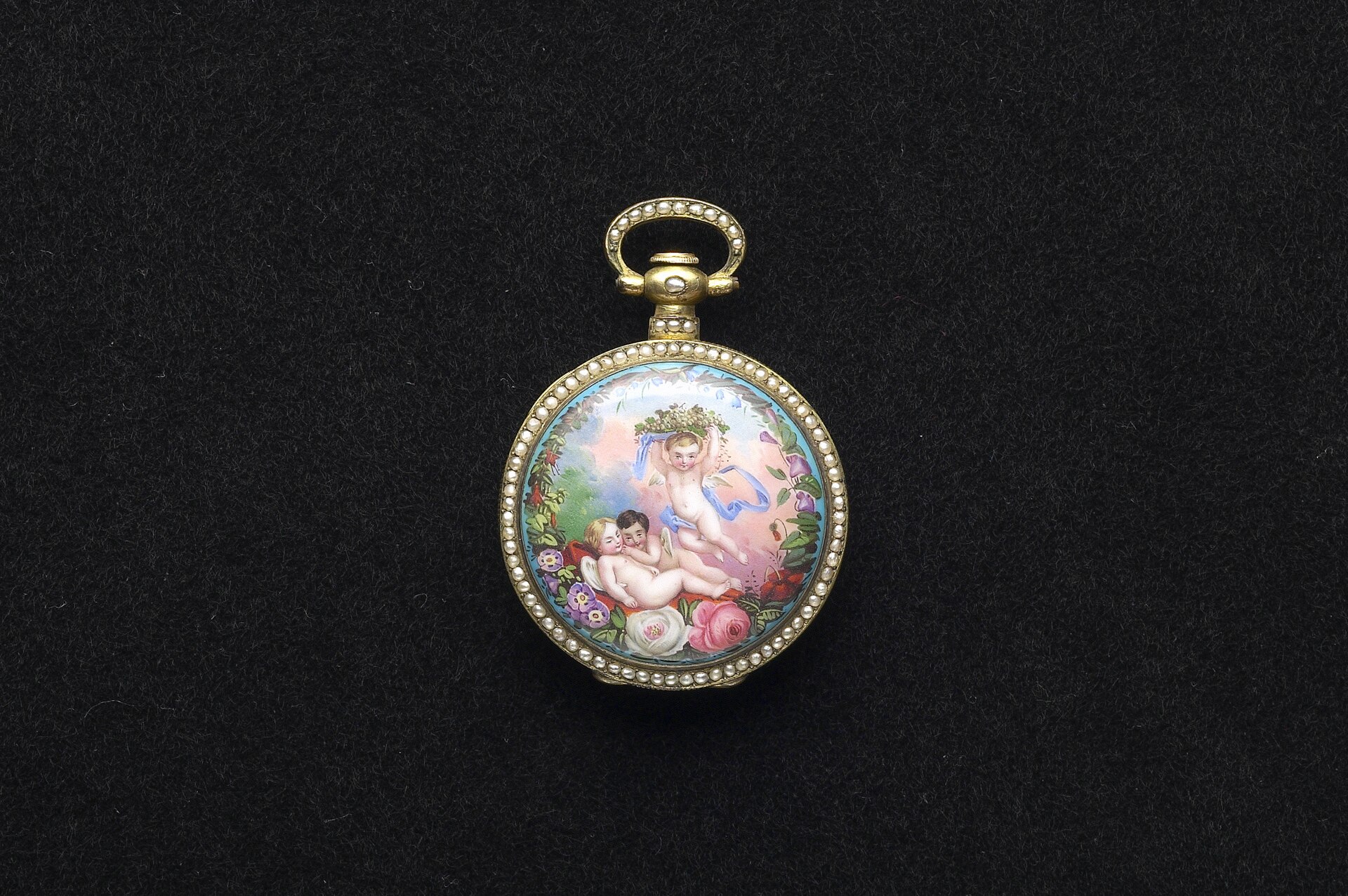
Vortic Watch Company builds wristwatches around restored antique American pocket watch movements. The one that went to court is called The Lancaster, and the published opinion of the U.S. Court of Appeals for the Second Circuit describes it as featuring "restored antique pocket watch movements and front dials made by the Hamilton Watch Company between 1894 and 1950." Hamilton Int'l Ltd. - "a Swatch Group brand", in the words of Vortic's release on the trial win - sued over it, lost at trial, and lost again on appeal. The company that won has been telling the story ever since, and the story it tells is two years longer than the one in the opinion.
Vortic's account sits on a page the company maintains about the case. It states that R.T. Custer and Tyler Wolfe started the company on Kickstarter in 2014, "were sued in 2015 before shipping a single watch," and defeated the SWATCH Group in Federal Court in 2021. No speaker is named; the sentence is the company's own body copy. The same clock runs through the release Vortic issued via PR Newswire after the trial court ruled. That release dates the decision to September 11, 2020, states that the judge ruled in favor of Vortic on all counts, and places the win "After a five-year battle" with a Swiss conglomerate it says accused the company of trademark infringement and counterfeiting in 2015. The captured page carries no date for the release itself.
The appellate opinion separates what the company's account merges, and it does so in consecutive sentences. Hamilton learned of The Lancaster and sent Vortic a cease-and-desist letter on July 10, 2015. It filed suit two years later, on July 21, 2017. Both dates sit in the opinion's own narrative of the dispute. Only the first appears in the company's.
That two-year gap is the entire difference between the two accounts. Measured from the filing date the appeals court gives, the lawsuit was three years and just under two months old when the district court ruled on September 11, 2020 - not five years. Measured instead from the demand letter, the fight runs five years and two months, which is where the release's figure comes from. Counting from the day the brand's lawyer first wrote is one way to date the dispute. It is not the same as being sued in 2015, and the appellate record is explicit that those were two separate events, two years apart.
A counterfeiting accusation appears in the evidence gathered for this piece only as Vortic's own characterization - the company's release says it was accused of "trademark infringement and counterfeiting" - and the captured text of the opinion nowhere mentions counterfeiting. The opinion records that the complaint alleged Vortic, at Custer's direction, sold The Lancaster bearing Hamilton's mark without consent or authorization, causing confusion as to the watch's origin and giving a false impression of affiliation with Hamilton. The release states the trial judge ruled in the company's favor on all counts, and the appeals court closed its opinion: "We therefore AFFIRM the judgment of the District Court."
The reason sits in the burden of proof. The opinion states the rule plainly - a trademark plaintiff must prove that the defendant's use of the mark is likely to mislead consumers. The Fashion Law's account of the ruling reports that Hamilton, carrying that burden, "failed to come forward with any reliable evidence showing that consumers were likely to be misled," and that Vortic's advertising, its marketing materials and the watch itself "provided full disclosure": the piece was sold as an antique pocket watch modified into a wristwatch rather than as an entirely new product. The National Law Review's write-up of the decision, published September 23, 2021 under the byline of Joshua Revilla of McDermott Will & Schulte LLP, sets the threshold at "a probability of confusion, not a mere possibility" and records that the only modification made to the original movement was a replacement lever.
The second claim worth testing is about what the 2020 win produced. Among the three quoted passages that release carries - none of them attributed to a named speaker in the captured page - one states: "We're happy with the precedent that's been set in this historic case." The document being described there was a trial court judgment, produced, according to that same release, the only gathered source that describes how it was reached, by a February 2020 bench trial in the Southern District of New York. Read as this desk's analysis rather than as a line either document carries: a judgment from a single trial judge disposes of the case in front of that judge, and the citable authority in this dispute is the published appellate opinion, which the company's own account dates to 2021. The claim of precedent was ahead of the paperwork when it was made. The published opinion that followed affirmed that judgment.
The release Vortic issued after the appellate win carries three quoted passages of its own, again with no named speaker attached to any of them in the capture. One reads: "It's over. The weight is lifted. We are free." Another states the test as the release frames it: "There must be a likelihood of consumer confusion." The company's case page then draws the conclusion for its trade: "Due to Vortic's victory, Upcycling is officially protected and can be legally defended."
What the opinion does not do is what that sentence implies. It resolves one dispute between one brand and one rebuilder, on a record about one product's disclosures and one replacement lever. Whether the next restorer's labelling clears the same bar stays a fact question, weighed case by case on the factors the National Law Review summary names. Neither Hamilton Int'l Ltd. nor The Swatch Group is quoted in any source gathered for this piece; neither was contacted for comment by this desk, and the piece carries no response from either. Vortic Watch Company, whose published account this piece tests, was not contacted for comment either, and the piece carries no response from it.
Two things stay checkable. The opinion's own dates - the letter of July 10, 2015 and the filing of July 21, 2017 - sit two sentences apart in a published federal appellate opinion, and any reader can hold them against the sentence on vorticwatches.com, which still carried the sued-in-2015 sentence when this desk captured it on September 5, 2026. And the government's copy of that opinion on govinfo.gov would settle the caption, the court and the decision date this piece has had to source from a commercial host. It did not answer on September 5, 2026. Try it again.