Disasters & Accidents · The Record
NOAA's August Atlantic outlook caps the season at 13 named storms, 6 hurricanes and 2 major hurricanes
The Climate Prediction Center's August 6 page publishes four ranges. Three have upper bounds below the 1991-2020 averages printed on the same page; the fourth, for storm energy, is measured against the median and tops out at 90% of it. The major-hurricane range starts at 0.
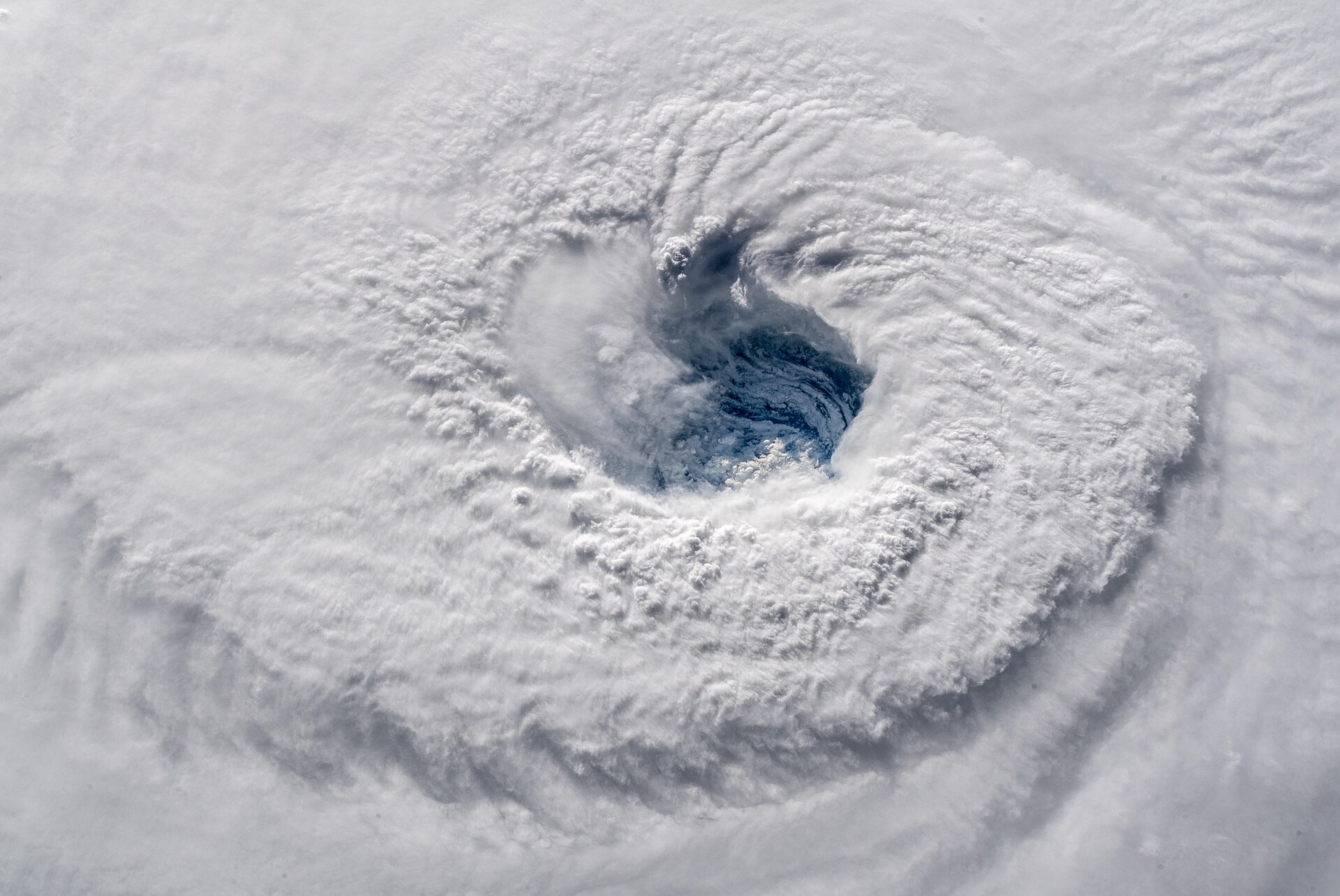
Correction, 4 September 2026. This piece was published under the entertainment desk byline. It is a disasters and accidents story and the emergencies desk is the correct one; the byline has been changed. The entertainment desk's voice was the one applied when the piece was drafted, so this was a routing error in our pipeline rather than a mistake about who is accountable - a desk byline names the voice a piece was written in, and ours named the wrong one.
The National Oceanic and Atmospheric Administration's Climate Prediction Center published an updated 2026 Atlantic hurricane season outlook dated August 6, 2026. Four ranges appear on that page. They are the checkable record underneath every headline written about the update.
The page gives 7 to 13 named storms, a range it says already includes the 2 named storms recorded so far this season. It gives 2 to 6 hurricanes. For the strongest category it publishes a single line: "0-2 Major Hurricanes". And it publishes a fourth measure that storm counts do not capture, an "Accumulated Cyclone Energy (ACE) range of 30-90% of the median".
Three of those four ranges have a stated benchmark printed on the same page. The center writes that its ranges are centered below the seasonal averages for 1991-2020, which it gives as 14 named storms, 7 hurricanes and 3 major hurricanes. Each upper bound falls under its benchmark: 13 against 14, 6 against 7, 2 against 3. The energy range is measured against the median rather than against a 1991-2020 average, so it does not pair with one of those three figures - and its ceiling of 90% means the published range contains no season that reaches median energy.
Two verbs for one document
The outlets that carried the August 6 update did not settle on a single verb for it.
The WJHG item is filed at an address reading noaa-lowers-2026-atlantic-season-forecast. The WUFT item is filed at an address reading noaa-lowers-hurricane-forecast-even-further-as-el-nino-ramps-up. The Insurance Journal item, filed at insurancejournal.com/news/national/2026/08/07/880635.htm, carries no verb in its address at all; it is recorded in this piece's source list under the title NOAA Maintains Forecast for Below-Normal Atlantic Hurricane Season. That title is a property of the source record rather than of the captured page text, and it is set out here because it points the opposite way from the two addresses.
On the direction of the forecast, the two dated Climate Prediction Center pages agree with each other. The May 21 page states that "a below-normal season is the most likely outcome". The August 6 page states that its ranges are centered below the 1991-2020 averages it cites. Nothing in the record shows the agency moving the season out of the below-normal category.
What these snapshots cannot settle
The May capture in this piece's record contains one sentence, a statement of relative likelihoods. It contains no numeric ranges. Any May-to-August comparison of named-storm, hurricane, major-hurricane or energy figures is therefore outside what this record can support, and this piece does not make one. No text of NOAA's August 6 news release is in the record for this piece either; the numbers above come from the outlook page itself.
One sentence about El Nino recurs across the captures. It appears word for word in the Insurance Journal capture - "When El Nino emerges, it usually becomes the dominant factor in total hurricane season activity, and this El Nino continues to get stronger every month." - and identically in the KBTX News 3 capture and the WUFT capture. The WJHG capture holds a shortened form, "When El Nino emerges, it usually becomes the dominant factor in total hurricane season activity". None of the four captures names a speaker for it. Repetition of identical wording across separate outlets is at least as consistent with a shared quoted source as with independent outlet prose, and the snapshots do not resolve which; this piece therefore attributes the sentence to no one.
The same limit applies to two other lines. The WUFT capture contains the phrase "the least active season in more than a decade." with nothing in the snapshot showing what it describes or who said it. The Fox Weather capture contains a single sentence about the behaviour of a strong event - "A strong event could have different impacts than those traditionally observed as opposed to similar impacts with greater intensity." - and no figures from the August outlook.
Analysis
The useful reading here is narrower than either headline verb. What can be checked is the outlook page, and the item on it carrying the most information is the one that appears in none of the outlet captures reviewed for this piece: the energy range. Storm counts describe how many; accumulated cyclone energy describes how much. A ceiling of 90% of the median places a full median-energy season outside what the August page allows. The major-hurricane entry does comparable work at the other end, because a range that begins at 0 formally accommodates an Atlantic season with no major hurricane in it. A reader served only a verb - lowered, maintained - is served neither of those facts.
A prediction, checkable
Daily Pol's prediction, settled by December 31, 2026: the 2026 Atlantic hurricane season will close with no more than 2 major hurricanes and no more than 13 named storms. If the season ends above either figure, the August 6 outlook was wrong at its ceiling and this prediction fails with it.
Sourcing note
NOAA was not contacted for comment for this piece, and no agency response is recorded here. The article makes no allegation about any named individual. The figures above are taken from the Climate Prediction Center's two dated outlook pages, captured August 7, 2026.