Culture & Society · The Record
Supreme Court took the University Heights home-prayer case on the question SCOTUSblog publishes: whether a chilled plaintiff may sue yet
National coverage frames the appeal as primed to expand religious groups' power over zoning and to reach abortion, transgender health coverage and anti-discrimination policies opposed on religious ground. The sentence SCOTUSblog publishes asks something narrower: whether the chilling-effect doctrine is displaced by a land-use finality requirement traced to a 1985 decision.
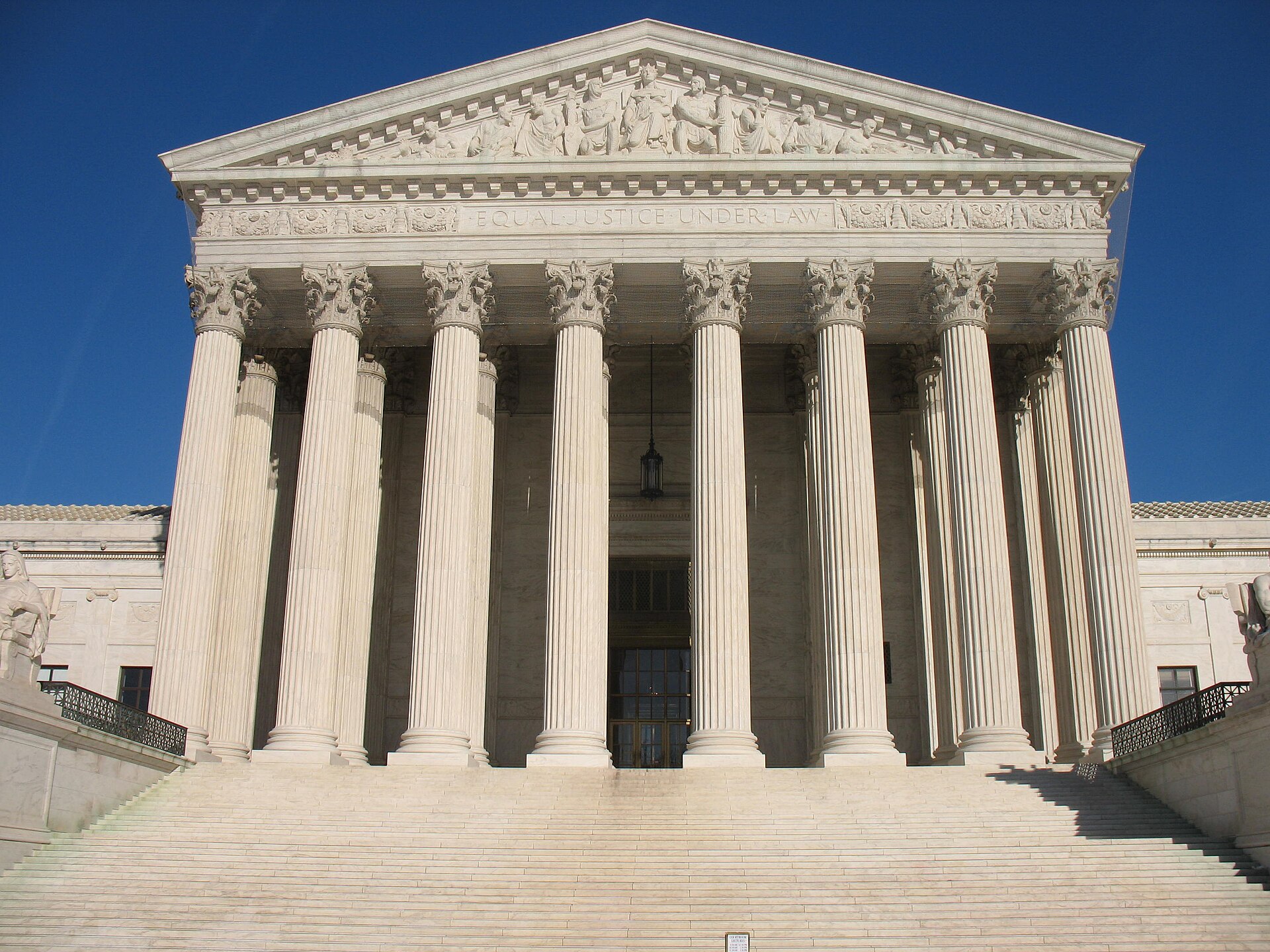
The Supreme Court has agreed to hear the case of an Ohio homeowner who was told he needed a city permit before about a dozen people could pray in his rec room. What the justices agreed to decide is a single sentence, published by SCOTUSblog on its case page for Grand v. City of University Heights, No. 25-965, and it asks about a doctrine of federal-court access rather than about the city's zoning code.
That sentence asks whether the First Amendment's chilling-effect doctrine "is displaced by Williamson Cty. Planning v. Hamilton Bank's land-use finality requirement" where a plaintiff says government threats before and after a Planning Commission meeting chilled his worship, according to the question presented as SCOTUSblog publishes it. Land use is plainly in that sentence - it names a land-use finality requirement and a Planning Commission meeting. What is not in it is the validity of the University Heights ordinance. The question is when a person who says he was chilled may get through the courthouse door.
What happened in University Heights
CNN, in a report syndicated by KVIA on August 10, 2026, wrote that Daniel Grand, an Orthodox Jew, invited about a dozen people to his rec room in early 2021 for a minyan, and that city officials in University Heights, Ohio, sent him a cease-and-desist notice hours after learning of the invitation, demanding that he first obtain a special-use permit. CNN reported that Grand came to regard the permit process as futile, withdrew his application and sued in federal court in Ohio instead.
He lost twice on the same ground. A federal district court and the Sixth Circuit agreed with the city that the case was not ripe, CNN reported. The appellate decision issued on November 13, 2025 before Chief Judge Sutton and Circuit Judges Batchelder and Larsen, according to the Sixth Circuit opinion as reproduced by FindLaw.
The city's own account of why is in the coverage. CNN reported that city officials say in legal papers that Grand could not sue because the city had not technically denied his permit, and that Grand withdrew his application before the planning commission had fully considered it. CNN also reported that city officials say they believed Grand had a larger gathering in mind, noting that his permit request mentioned 21 chairs and that his invitation asked people to spread the word and bring others. Those are the city's assertions in a live case; no court has resolved them, because the courts below ruled on ripeness.
The claim beside the record
The national framing of the case is considerably larger than the sentence the Court took.
The correction to the framing is inside the same article that supplies it. Roughly twenty paragraphs down, CNN states: "The Supreme Court fight isn't technically about the merits of the city's zoning ordinance, but rather whether Grand could sue before he received a definitive denial of a permit." Read as analysis, the two halves are not contradictory so much as differently weighted: a ruling on when a chilled plaintiff may sue can matter to later cases about abortion regulations, transgender health coverage and anti-discrimination policies opposed on religious grounds, because those disputes can also turn on ripeness. But that is a claim about downstream effects, stated near the top as the stake of the case itself, while the narrower and checkable description sits far below it.
The precedent the petition aims at
CNN reported that the city rests on a 1985 decision involving a bank preliminarily denied the ability to develop a Tennessee property, in which a 7-1 majority ruled for the local planning commission because the government had made no final decision. That is Williamson County, the case named in the question presented.
Its later history is what makes the grant interesting, and neither saved report explains it.
The coverage also blurs three separate disputes that the record keeps apart. The first is factual: what Grand proposed, where the invitation and the 21 chairs are contested. The second is a question of local land-use law: whether the ordinance reaches a home minyan at all. Sara Bronin, founder of the National Zoning Atlas and an expert on land use, told CNN that the code language allowing customarily incidental uses is "fairly common in zoning codes across the country," and that in her view a small religious gathering in a home would normally read as a customary and incidental accessory use. The third is the only one before the justices: whether Grand may sue yet.
The path of the appeal explains some of the attention. CNN reported that Grand filed at the Supreme Court without a lawyer, that the Court asked the city to respond in March, and that by his May reply brief he was represented by a team including the appellate lawyer E. Joshua Rosenkranz and the legal group Alliance Defending Freedom. A pro se petition that draws a call for a response and then counsel is unusual enough to invite large readings of what the Court wants to do with it. The docket sentence remains the only public statement of what the Court agreed to answer.
Hostility is part of this record too. The Heartlander, reporting on the grant, quoted a letter in the case from a neighbor: "I am not Jewish and I do not want our neighborhood labeled as Jewish." The neighbor is unnamed in the coverage and stays unnamed here.
What is testable from here
A prediction, offered as analysis and checkable against the opinion itself: when the Court rules in No. 25-965, the holding will address the chilling-effect and finality question - who may sue and when - and will not decide whether University Heights may require a special-use permit for a home minyan. If the opinion instead passes on the ordinance's validity, this prediction is wrong. Check by July 1, 2027.
CNN reported that the city's mayor, who was not in office when the dispute began, declined to comment to that outlet. Daily Pol has not obtained comment from the city, from Grand or from his counsel for this piece; the city's positions above are its filings as the coverage renders them, and a request for comment is pending under this outlet's right-of-reply rule.